Ontario and the Marten Falls First Nation (MFFN) reached a $39.5 million infrastructure development pact that includes the construction of an all-season road linking the Ring of Fire region community with the provincial network.
Premier Doug Ford, Indigenous Affairs Minister Greg Rickford and Marten Falls Chief Bruce Achneepineskum met in Toronto to sign a deal that will advance the all-season Marten Falls Community Access Road (MFCAR) and provide supports for the First Nation, according to a statement issued Thursday. The accord re-affirms Ontario and MFFN’s backing for the proposed Northern Road Link (NRL) that would connect southern roads with the Ring of Fire in the north.
“This historic agreement is a landmark moment in our plan to unleash the economic benefits of the Ring of Fire, bringing prosperity to Northern Ontario and creating 70,000 jobs across our province,” Ford said in a release. “I want to thank Chief Achneepineskum and Marten Falls First Nation for their vision and partnership, helping our government build a stronger, more competitive economy that can withstand tariffs and any other challenges that come our way.”
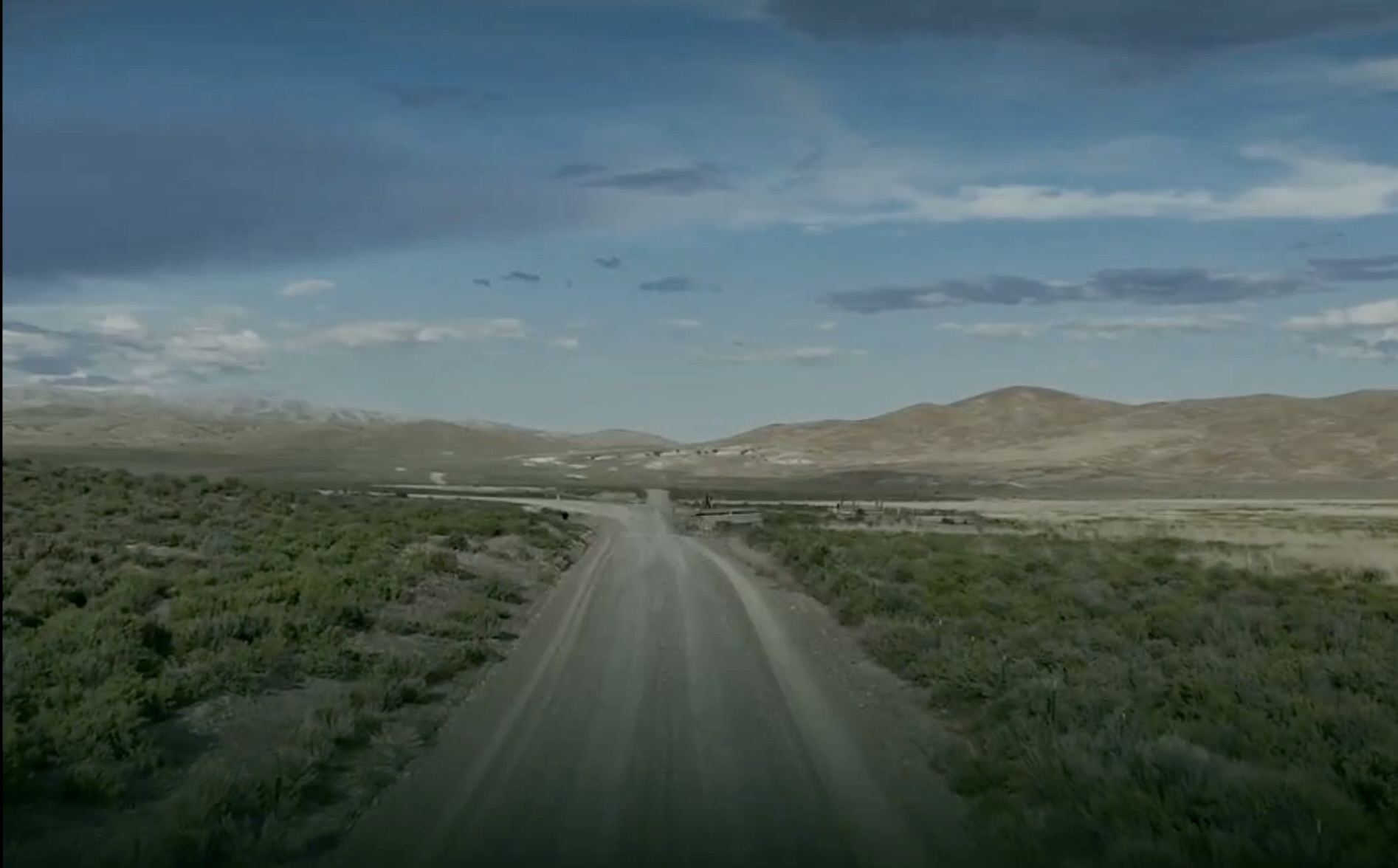
The agreement comes a month after Ontario and the Webequie First Nation signed a separate $39.5 million agreement on road development in the Ring of Fire region. Marten Falls is about 140 km southeast of the Ring of Fire while Webequie is about 70 km west of the proposed mines area. A road from the Webequie community would run east towards the Ring of Fire and connect with the NRL, which is meant to join with the MFCAR. The 451 km of roads and associated infrastructure is estimated to cost at least $2 billion.
The Ring of Fire, about 540 km north of Thunder Bay, may hold vast reserves of critical minerals which several companies have been exploring, but only Wyloo Metals’ Eagle’s Nest project is considered advanced and the remote swampy region lacks roads and power links. Wyloo is owned by Australian tycoon and former Fortescue Metals Group (ASX: FMG) CEO Andrew Forrest.
The $39.5 million investment announced Thursday will support various MFFN projects, including this year's winter road season, community infrastructure and economic supports.
Construction of the MFCAR could start as soon as August 2026, subject to approvals and the federal government ending its duplicative impact assessments in the region.
Another, unspecified portion of the funding would be released after Marten Falls submits its final MFCAR environmental assessment by Feb. 20. That portion is to support community priorities and critical infrastructure. The funding is also aimed at supporting local jobs and the materials needed for priority projects.
The Northern Miner has requested further details on the funding breakdown.
“As the MFCAR [environmental assessment] process comes to an end in 2026, we recognize that we were always working towards reconciliation for our community. Not only economic reconciliation but reconciliation based on fixing a relationship that has historically left us behind,” Achneepineskum said. “We are very excited for what this agreement represents, because it is not just an agreement that starts to move the Marten Falls Community Access Road towards construction, but it also represents a real and deeper partnership between Marten Falls and Ontario.”
The agreement follows a similar one Ontario signed in January with the Aroland First Nation that sets aside about $93 million for a new transmission line and community infrastructure. Aroland, located at what is known as the “gateway” to the Ring of Fire, is 60 km north of Geraldton on Highway 584/643.
Marten Falls, Webequie and Aroland are the only First Nations that have signed formal agreements on infrastructure related to the Ring of Fire. About a dozen other First Nations have reached partnership agreements on assessments with the federal government for the Ring of Fire, while several other First Nations are firmly opposed to developing mines in the region.
Comments