The US Department of Energy (DOE) has selected nine projects for $162 million in potential funding to recover critical minerals from mine waste and industrial feedstocks, part of a broader effort to strengthen domestic supplies for energy, defence and manufacturing.
The projects target scandium, copper, antimony and rare earth elements using existing mines, tailings, industrial facilities and other feedstocks. The DOE program aims to move technologies from laboratory and pilot stages towards commercial production.
“Leveraging existing bench-scale and pilot-scale facilities is a vital opportunity to produce critical materials necessary for our energy, defence and economic security,” Assistant Secretary of Energy Audrey Robertson said in a statement. “By investing in these facilities, we can de-risk commercial scale production technologies to grow new economic and manufacturing opportunities.”
The funding underscores Washington’s push to extract more value from materials already being mined, processed or discarded rather than relying solely on developing new deposits. Critical minerals underpin technologies ranging from smartphones to advanced weapons, while China’s longstanding dominance of several mineral supply chains has made domestic production a national security priority for the Trump administration.
The DOE selected Anactisis, Still Bright, Nusano and SiTration for projects designed to advance processes from laboratory or bench scale to prototype demonstrations. Thompson Creek Metals Company USA, Felix Gold’s (ASX: FXG) Treasure Creek project in Alaska, DISA Technologies, Alcoa (NYSE: AA) and Trigg Minerals were selected to move existing pilot-scale technologies closer to pre-commercial demonstration.
Most of the projects are pursuing unconventional sources of critical minerals, including mine waste and industrial byproducts that previously had little economic value.
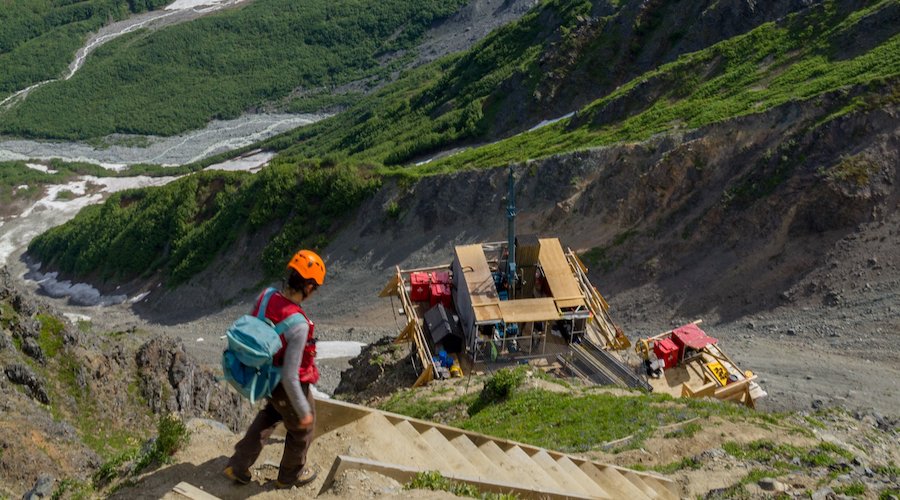
Felix Gold’s Treasure Creek project near Fairbanks, Alaska, is focused on recovering high-grade, near-surface antimony using existing mining infrastructure. Antimony is used in ammunition, sensors, flame retardants and other applications, making it strategically important to the defence sector.
SiTration, a Massachusetts Institute of Technology spinout based in Cambridge, has developed technology to recover copper and other critical materials from diluted mining waste streams at operating sites. Other selected projects are looking at sources including old tailings, abandoned copper mines and existing aluminum facilities.
The approach could help shorten the path to production by pairing new recovery technologies with facilities and material already in place, while potentially turning mining and industrial liabilities into new sources of strategic commodities.
The selection builds on the DOE’s August 2025 announcement of nearly $1 billion aimed at expanding US mining, processing and manufacturing capacity across critical-mineral supply chains.
They also follow $75 million announced in July for five projects seeking to produce rare earth elements and other critical materials from coal and coal-based feedstocks. Together, the programs reflect a wider effort to diversify supplies as Washington seeks to reduce exposure to foreign producers, particularly China.
China has dominated the production and processing of many critical minerals for decades and has used mineral export restrictions during trade disputes, sharpening concerns in Washington over access to materials needed for military equipment, energy technologies and advanced manufacturing.
The latest selections, however, do not guarantee that the companies will receive the stated funding. The projects must first undergo award negotiations with the DOE, which can change award amounts, cancel negotiations or rescind a selection before money is issued.
Comments