Topics
Commodities
Regions
Tags
Companies
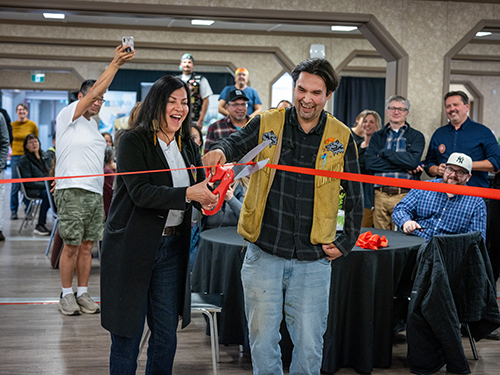
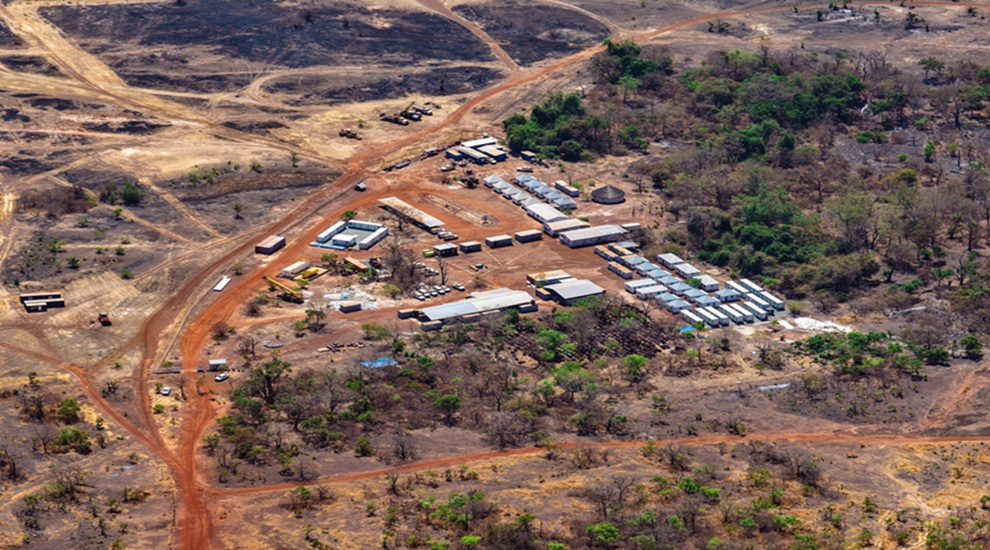
Ross River Dena leaders, elders and community members joined government officials on Wednesday to mark the opening of Tsē Zūl Camp, an accommodation facility supporting the Faro Mine remediation project in southern Yukon.
Tsē Zūl Camp is supported by $90 million (US$64.31 million) from the Faro Mine remediation project and is expected to run through 2029. The camp provides increased accommodation to meet the growing number of workers on site.
Dylan Loblaw, the Chief of Ross River Dena Council, called the camp’s opening a “proud moment” for the First Nation. “Our people have a long history with this land, and the impacts of the Faro Mine have been felt by our community for generations. Today, we are seeing a different approach — one where our people are not standing on the sidelines but are participating, building capacity and creating opportunities from the work happening on our traditional territory,” Loblaw said.
The Tsē Zūl Camp was built and is wholly-owned by Dena Nezziddi Development Corporation, the economic development arm of Ross River Dena Council.
Located near the Town of Faro, the mine was once the largest open pit lead-zinc mine in the world. Mining began in 1969 and took place intermittently over the following decades until the site was eventually abandoned in 1998. 320 million tonnes of waste rock and 70 million tonnes of tailings were left behind when operations ceased. In 2018, the federal government officially assumed all responsibility for clean-up of the Faro Mine site.
The site is on the traditional territory of Ross River Dena Council, Liard First Nation and Kaska communities located in B.C. It is also upstream from the traditional territory of Selkirk First Nation.
“This is an important achievement for the community and demonstrates what can happen when Indigenous leadership, economic opportunity and major remediation work come together,” said Rebecca Chartrand, the minister of northern and arctic affairs.
Thus far, the federal government has invested $9.1 billion into the remediation project through the Northern Abandoned Mine Reclamation program.

Comments