Canada has the minerals — now it must deliver

Canada does not lack mineral potential. What it needs is the ability to convert that potential into productive mines, resilient supply chains and lasting community benefits. Complex greenfield projects can take many years to advance from discovery through feasibility, permitting, financing and construction to production, depending on the commodity, infrastructure, jurisdiction and Indigenous engagement.
The articles in October edition of the Canadian Mining Journal examine that challenge, but their central message is clear: opportunity means little without execution.
Quebec illustrates both the promise and the complexity. Bill 11 seeks to streamline elements of the Mining Act, while the province’s mineral wealth, hydroelectric power and technical expertise strengthen its position in critical mineral supply chains. Agnico Eagle’s growth demonstrates what patient investment, regional knowledge and operational discipline can achieve.
Ontario faces a similar test. Exceptional geology and professionals are not enough if permitting timelines discourage capital and early-stage exploration lacks support. At the federal level, Canada’s planned pre-closing national security review regime for foreign investments adds another consideration for critical minerals transactions.
Technology is another part of the execution challenge. Alberta’s lithium-in-brine projects demonstrate how direct lithium extraction could create value from depleted oil and gas reservoirs. Artificial intelligence can interpret geological records, rank exploration targets and improve operational decisions, but accountability must keep pace. Drones can inspect hazardous underground spaces, while muon imaging can improve three-dimensional understanding of orebodies and guide drilling.
Yet, technology alone will not secure Canada’s place in the critical minerals’ economy. Additionally, the competition for minerals is increasingly a competition for engineers, geoscientists, technicians and researchers.
Execution must also be measured by its effect on people. Mining companies must strengthen worker training, mental health support and reporting mechanisms, while building relationships with Indigenous communities. Impact benefit agreements should address social risks as well as environmental matters.
Finally, responsibility continues across the asset lifecycle. Fire protection, reliable equipment, measurable mine closure criteria and early energy-transition planning all reduce risk. Mining history also offers lessons that should not be forgotten.
Canada’s mining future depends on connecting geology, people, technology, regulation and responsibility. The resources are present. Success will be determined by whether we develop them with speed, discipline and foresight.
Related Posts
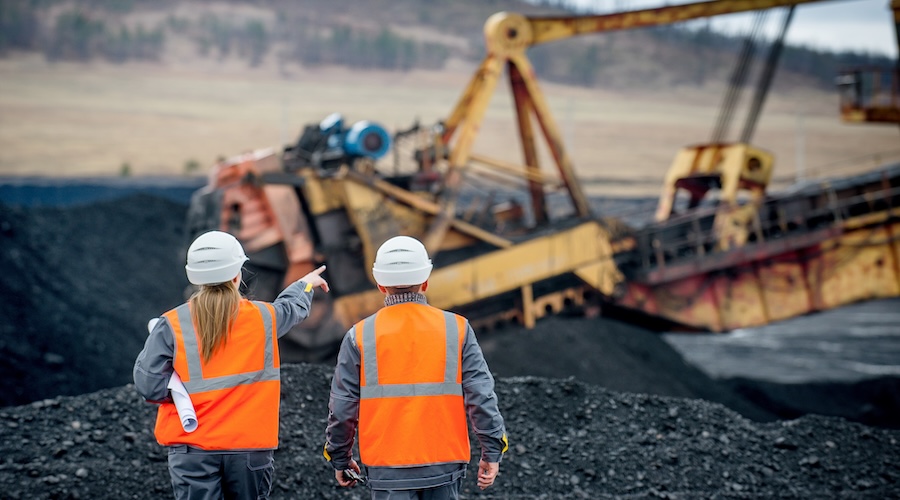
Province targets mining acceleration at Toronto trade conference
October 29, 2026
Province targets mining acceleration at Toronto trade conference
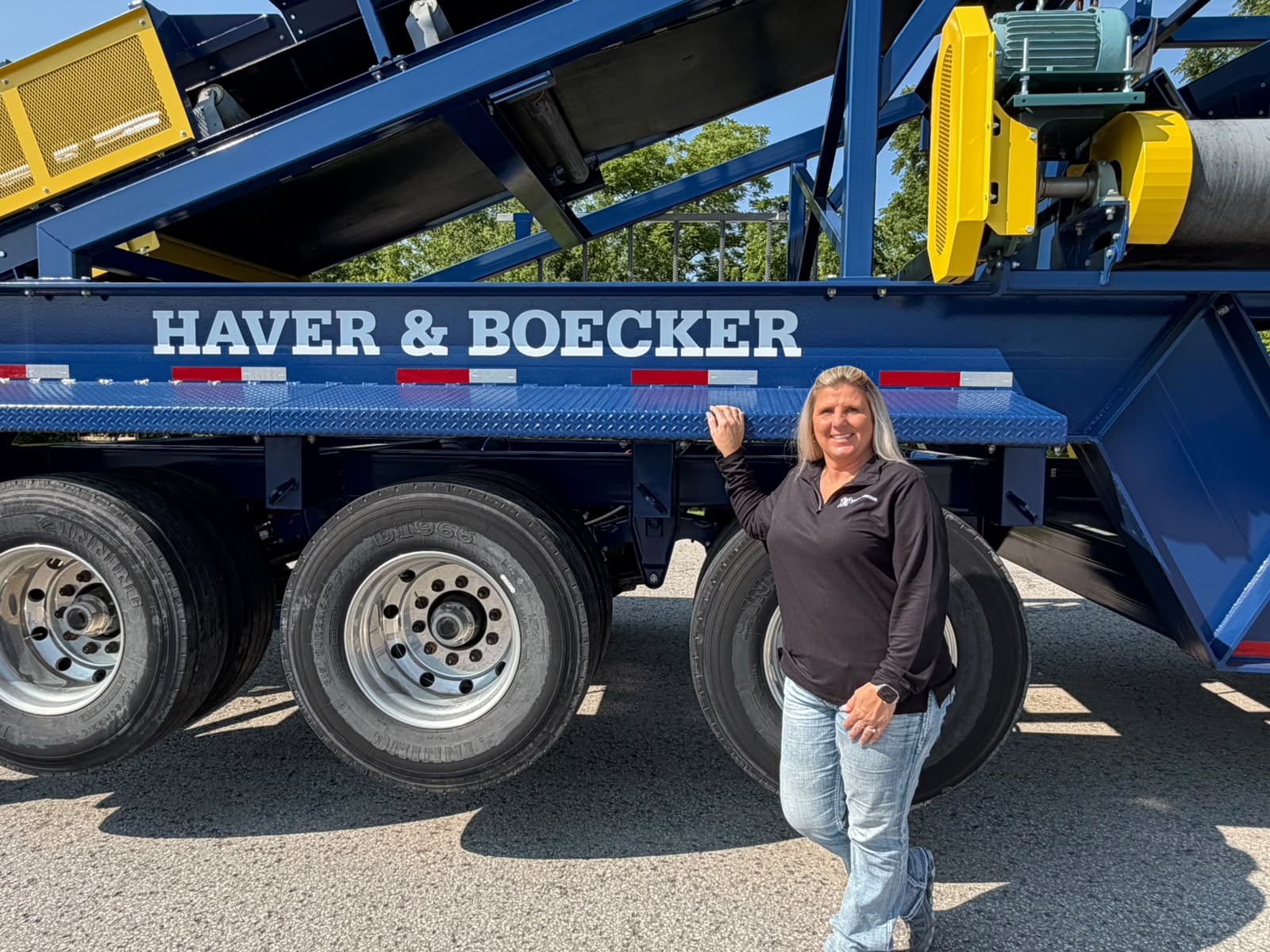
Haver & Boecker Niagara adds Ginger Reynolds to its southern US sales team
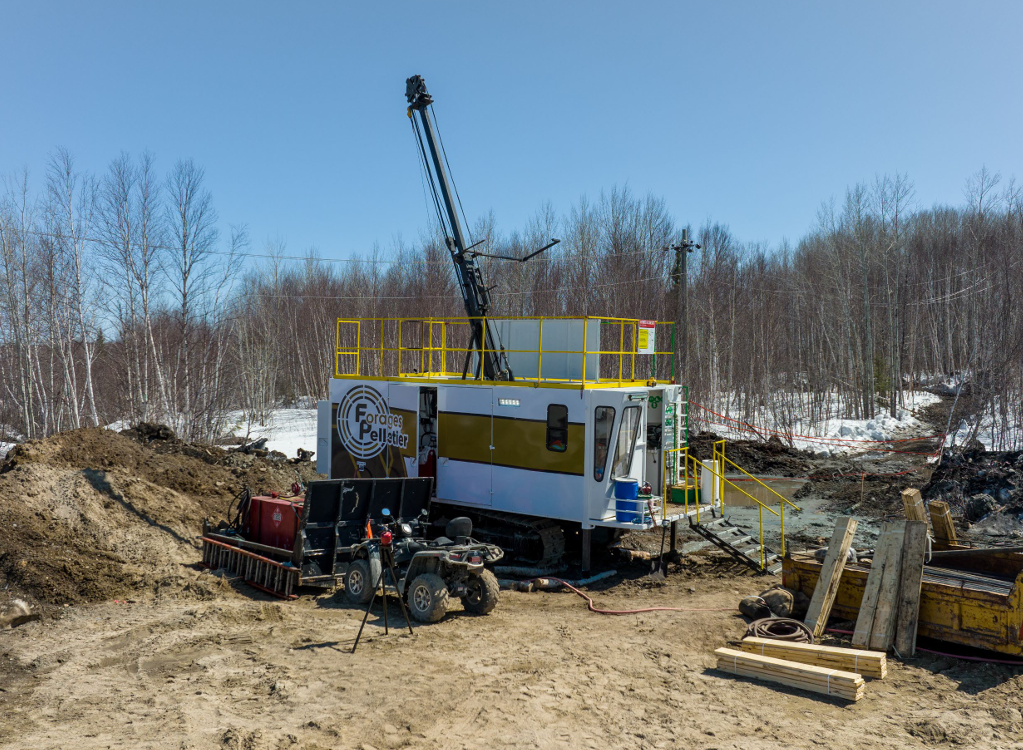
XXIX Metal launches largest drilling campaign in its history
October 28, 2026
XXIX Metal launches largest drilling campaign in its history
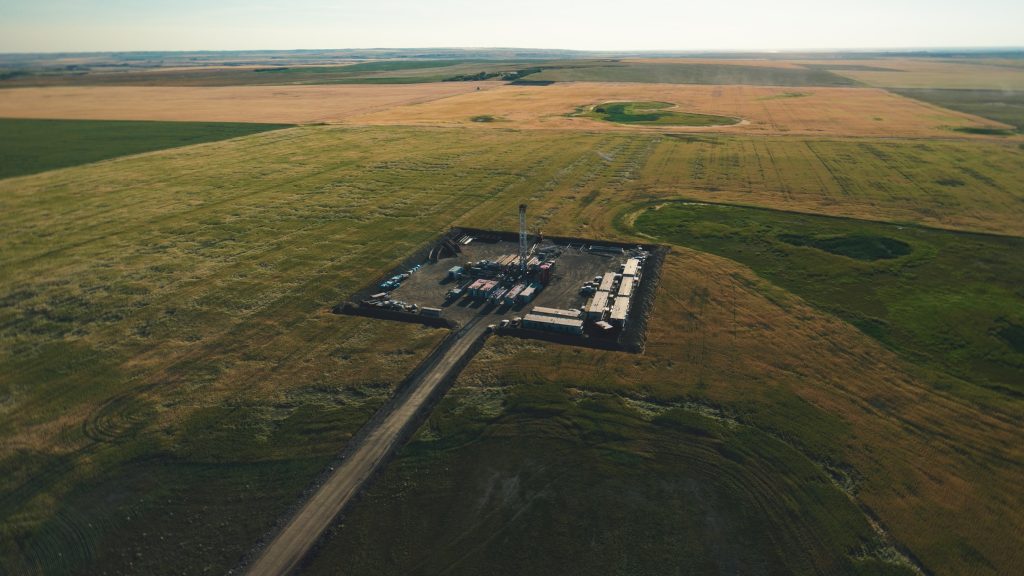
MAX Power hits new natural hydrogen system at Lawson
October 28, 2026
MAX Power hits new natural hydrogen system at Lawson

Ottawa matches $1B Ring of Fire funds
October 27, 2026
Comments