Pig iron production in the United States: Ambition, execution, and the realities of reshoring heavy industry
Credit: North American Iron
The push to reshore industrial capacity in the U.S. is no longer theoretical. It is being tested in real time through large-scale projects aimed at rebuilding domestic supply chains in sectors long dominated by imports.
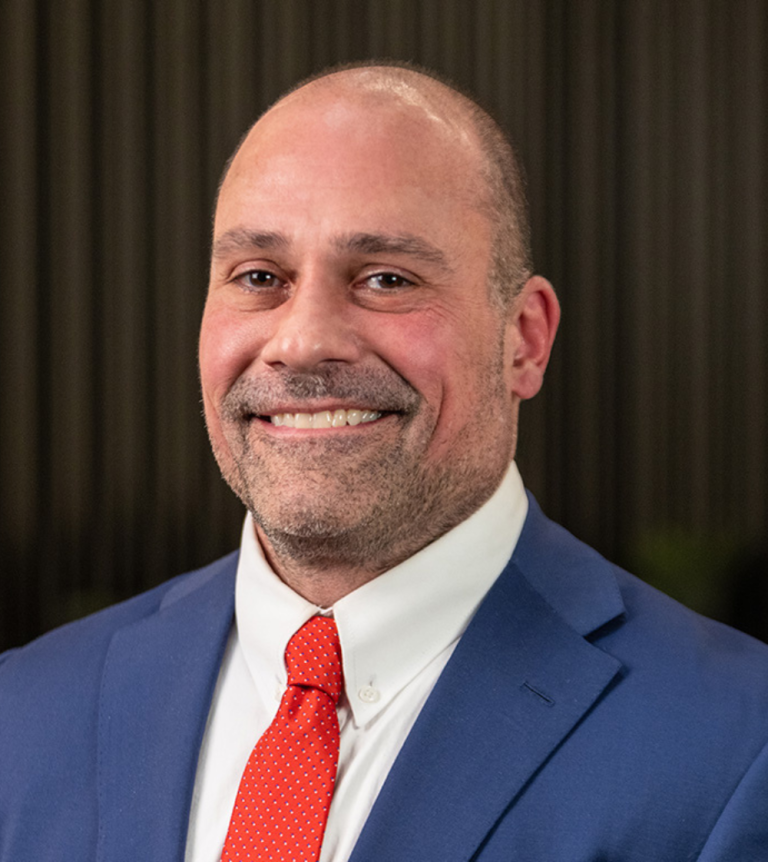
North American Iron, led by founder and CEO Jim Bougalis (JB), is one such effort. The company is advancing plans for a large-scale pig iron production facility designed to supply the U.S. steel industry — an industry that currently relies almost entirely on imported merchant pig iron.
This interview with Mr. Bougalis provides a detailed look at the rationale behind the project, from resource strategy and cost competitiveness to execution risk, sustainability, and long-term impact.
Q: North American Iron is pursuing a major investment in domestic pig iron production. What is the long-term vision for the company, and why is now the right time to build this in the U.S.?
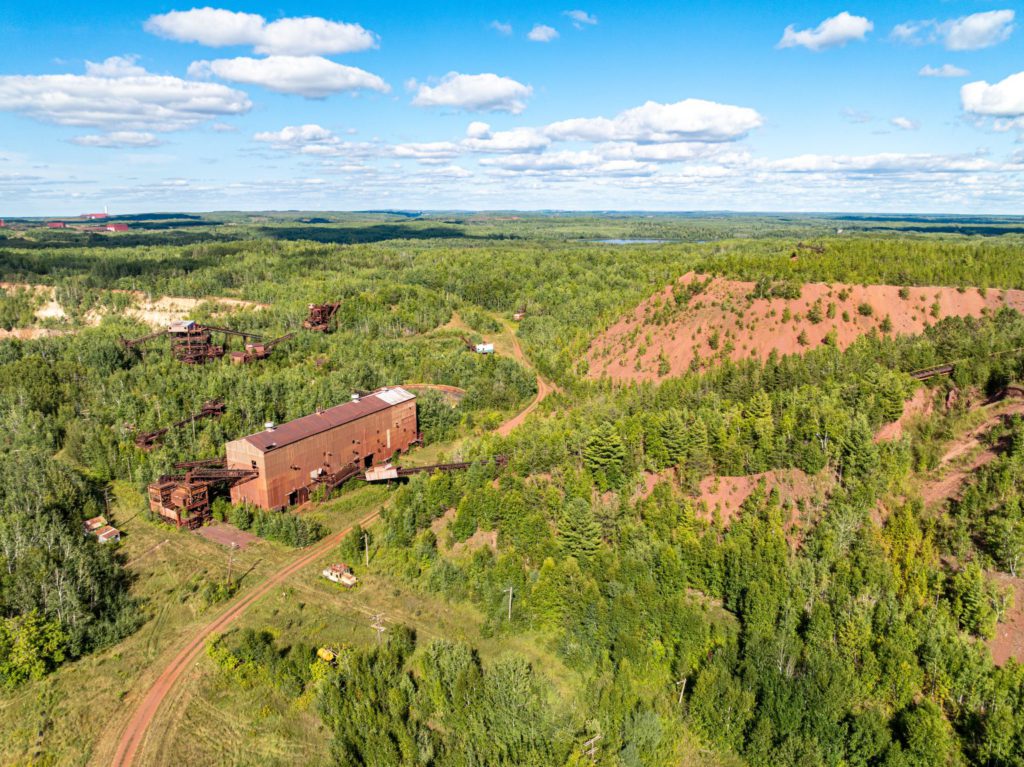
JB: Our long-term vision is about utilizing the iron ore resource in Minnesota. There is a misconception that Minnesota is exhausted of iron resources, and that is not accurate. There is iron ore that has not been looked at for close to 100 years.
What we are doing is tapping into that resource and using it to feed iron directly into the U.S. steel industry. That is the core of our strategy — linking domestic resources to domestic manufacturing.
In terms of timing, there is a growing recognition that the U.S. needs stronger domestic supply chains, especially for critical industrial inputs. At the same time, we have an opportunity to revisit existing resources with a new approach. That combination makes now the right time to build.
Q: What problem in the U.S. steel supply chain are you most focused on solving?
JB: The biggest issue is that merchant pig iron is a 100% imported product into the U.S. What that means is U.S. steel producers are relying on other countries to supply iron. And those countries only produce pig iron after they meet their own steel production needs. So, the U.S. is essentially getting what is left over.
Our project is focused on changing that dynamic by producing about two million tonnes of pig iron per year domestically and supplying it directly into the U.S. steel industry. It is about reducing dependence on imports and improving supply certainty.
Q: You are developing a large-scale pig iron facility in North Dakota. What makes this project structurally different from traditional iron-making operations?
JB: The key difference is that we are a dedicated iron production facility. Currently, most pig iron that comes into the U.S. is produced by steel mills globally. Those mills produce steel first, and then if they have capacity left, they cast iron and sell it.
We are different because our entire operation is focused on producing iron. We are not tied to steel production cycles in other countries. That allows us to provide a consistent, reliable supply of pig iron.
Q: What gives you confidence in your cost competitiveness globally?
JB: It really comes down to logistics. We have a significant advantage because we are sourcing iron ore from Minnesota and moving it to North Dakota — about 805 km. That is a very short supply chain compared to international operations.
Other countries must ship material across oceans and handle multiple stages of transloading. We can move material directly and then ship finished product to customers by rail. That direct shipping model gives us a strong cost advantage.
Q: How does location factor into your strategy?
JB: Location is critical to everything we are doing. We have built the project around a vertically integrated supply chain within the U.S. We are sourcing raw materials locally, processing them regionally, and delivering finished product directly to customers.
That reduces exposure to international shipping volatility and makes our operations more predictable and efficient. It is both a cost advantage and a way to reduce risk.
Q: U.S. steel producers still rely heavily on imported pig iron. How strong is domestic demand right now for a reliable U.S.-based supplier?
JB: Demand is very strong. Recent studies from “World Steel Dynamics” show demand of up to 13 million t/y in the U.S. So, there is a significant market for pig iron. Our planned production of two million tonnes is a portion of that demand. The opportunity is clearly there.
Q: What are customers telling you about supply security?
JB: The main issue is reliability. Currently, supply is dependent on global markets and foreign production priorities. That introduces uncertainty. What we are offering is a domestic source of pig iron that provides consistency and proximity. That is a different value proposition compared to imported supply.
Q: Large industrial projects often face cost overruns and delays. What are the biggest execution risks you are managing right now?
JB: We have approached execution by focusing on proven processes. From the beginning — starting with handling the iron ore all the way through to delivering the finished product — we are using established technologies, engineering firms, and contractors. We are not trying to reinvent the process. We are using what works and what has been proven in the industry. That is how we are de-risking the project from start to finish.
Q: How are you approaching capital raising in today’s environment?
JB: We are currently in our third round of investment. We are looking for equity partners and financing to move into construction and commissioning. It is a critical phase because it determines when we can move from planning into execution.
Q: What milestones should stakeholders be watching next?
JB: The next major milestone is starting construction. Our goal is to begin construction and commissioning in the third quarter of this year, assuming financing comes together as planned. That transition from development to construction is the key step for the project.
Q: Environmental performance is becoming central in steel and materials markets. How are you thinking about emissions, efficiency, and long-term sustainability in your process design?
JB: Sustainability is a major part of our design. Our process is designed to produce over 60% less carbon emissions compared to other iron-making processes globally. That is a significant reduction, and it is built into how we operate from the ground up.
Our CO₂ output per tonne of pig iron is lower than anywhere else in the world. That is something that matters to customers and to communities. Environmental performance is not only about compliance, but it is also about being competitive and building support for the project.
Q: What does this project mean for the local workforce and the broader regional economy?
JB: The project will have a meaningful regional impact. We are expecting to create about 150 jobs in Minnesota and 650 jobs in North Dakota. That is direct employment, but there is also broader economic activity that comes with a project like this. It will benefit both states and the smaller communities connected to the project.
Q: How are you engaging with the community and policymakers?
JB: We are engaging at multiple levels. We are working with federal and state governments, including Minnesota and North Dakota. We are also working with economic development agencies, environmental agencies, and local communities. So far, we have received a very positive response to the project. There is recognition of the benefits it can bring.
Q: Building heavy industry in the U.S. is not easy. What has been the most challenging part of this journey so far?
JB: The biggest challenge has been regulation. Regulatory processes are the main sticking point — not only for our project, but also for industrial development in general in the U.S. It is something that every large-scale project must navigate.
Q: If we are sitting here five years from now, what does success look like for North American Iron?
JB: Success means we are producing two million tonnes of pig iron annually and supplying it directly into the U.S. steel industry. It also means we are contributing to national security, to GDP, and to strengthening the U.S. steel sector.
On the Minnesota side, we are reclaiming legacy iron ore stockpiles. We are not triggering emissions or discharging water, and we are freeing up thousands of acres of land for future use. That land is currently locked because of mineral stockpiles, so removing that material opens it up, which is a real benefit for the region. 
Watch a full video of the interview here https://youtu.be/dw8qGvU2ulU?si=_3ci4aEAlMdw_YCl
Related Posts
Peninsula’s uranium resource grows as ramp-up lags
September 28, 2026
Peninsula’s uranium resource grows as ramp-up lags
Sponsored video: Isometrix says shared data can flag mine risks early
September 28, 2026
Sponsored video: Isometrix says shared data can flag mine risks early
Tungsten West, Elmet ink $1.8 billion offtake deal for Hemerdon mine
September 24, 2026
Tungsten West, Elmet ink $1.8 billion offtake deal for Hemerdon mine
Rio Tinto to expand metals trading beyond own output
September 24, 2026
Rio Tinto to expand metals trading beyond own output
Century Lithium advances Chlor-Alkali plant plans, signs eight MOUs
September 23, 2026
Comments