Why fire risk on heavy equipment is different from facility fire risk
In most industrial settings, fire protection starts with the building. Engineers look at the structure, process, materials, water supply, alarms, exits and emergency response plans. The strategy is built around a fixed space where the walls, equipment and hazards can be mapped and protected.
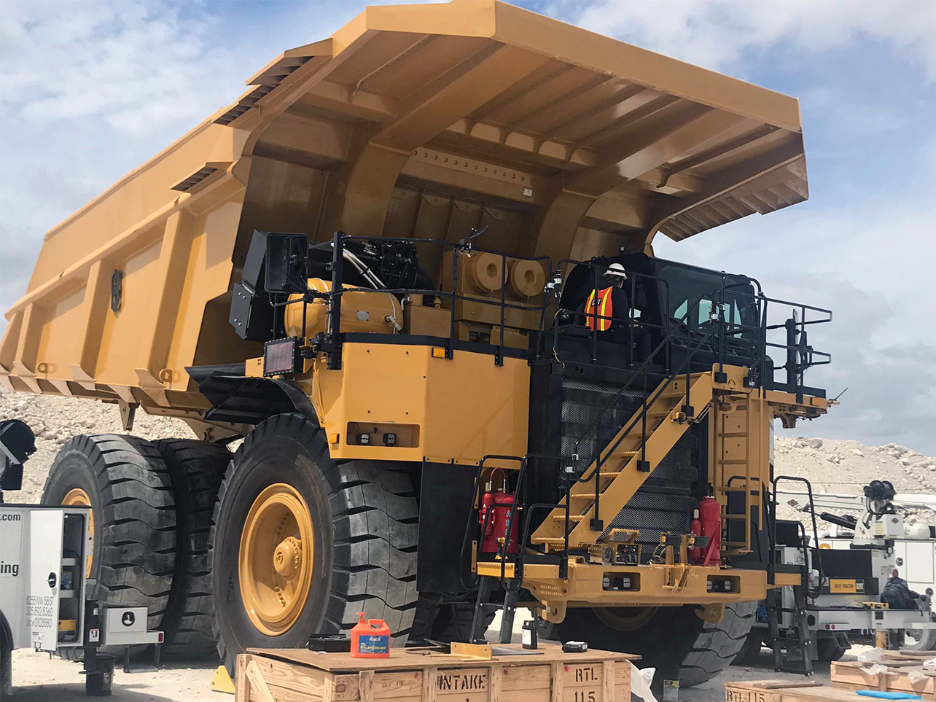
Heavy equipment does not work that way. A haul truck, loader, shovel, drill, dozer or service vehicle is not a small building on wheels. It is a moving work platform that carries its own fire hazards into harsh and changing environments: dust, mud, vibration, weather, heat, debris and long duty cycles. It may work in a pit, near a highwall, in an underground tunnel or close to other machines.
The basic science of fire is the same, but on heavy equipment, heat, fuel and oxygen come together in different ways. The space is tighter, the surfaces are hotter and the machine is moving. By the time smoke or flames are visible, the situation may already be serious.
That is why fire protection strategies used in buildings or fixed facilities do not always translate directly to heavy mobile equipment. Heavy equipment needs a purpose-built approach, including automatic fire suppression systems designed around the machine, the environment and the people working around it.
The hazard moves with the machine
In a fixed facility, a fire risk assessment usually starts with the area being protected. Where are the ignition sources? Where are combustible materials stored? How will people evacuate? What detection or suppression system is in place?
With mobile equipment, the protected area changes throughout the day. The machine may start near a maintenance shop, move to a fueling area, travel along a haul road, work in the pit and end the shift elsewhere. The fire risk is not limited to one building or one room. It travels with the equipment.
The machine also has several fire-prone areas, including engine compartments, turbochargers, exhaust manifolds, hydraulic pumps, fuel lines, brakes, batteries, wiring and debris collection points. Protection must reflect the equipment layout, heat sources, fuel sources, airflow, access points and operator location.
Heat, fuel and pressure are closer together
On heavy equipment, many common industrial hazards — hydraulic systems, electrical components, fuel storage and hot surfaces — are often packed into a much smaller space.
Diesel engines and exhaust components can reach high temperatures. Hydraulic lines and fuel lines may run near those hot surfaces. Electrical wiring is exposed to vibration, heat, moisture, dirt and abrasion. Dust, oil, grease, rubber and other debris can collect in areas that are hard to clean. A failed hose or fitting can spray fluid onto a hot surface. Once fuel or hydraulic oil becomes a fine spray, it can ignite quickly.
This is why equipment fire protection should not focus only on extinguishing the fire after it starts. Good protection also includes prevention: inspecting hoses, repairing leaks, keeping debris away from hot surfaces and training crews to notice early warning signs.
Still, prevention alone is not enough. Because mobile equipment combines heat, fuel, pressure, debris and limited visibility, high-risk machines need fire suppression systems that are designed to detect and respond quickly when a fire starts.
The operating environment is part of the fire risk
Facility fire protection systems are designed for their environment, but that environment is usually more stable than the one found on mobile equipment.
Heavy equipment shakes, vibrates, absorbs impact and may be pressure-washed. It may work in freezing temperatures, extreme heat, corrosive conditions, heavy dust or wet ground. The fire suppression system must survive in the same world as the machine.
A smoke detector in a clean mechanical room does not face the same conditions as the detection components mounted near the engine compartment of a haul truck. A nozzle in a building is not exposed to the same vibration, debris, washdown or physical contact as a nozzle on a loader, drill or shovel. Every component, from detection and actuation to agent delivery, must stay secure and ready while the equipment works.
For mobile equipment, the question is not simply whether a system can suppress fire in theory. The question is whether the detection, actuation, agent delivery, wiring, brackets, nozzles and controls can continue to perform after being exposed to the same conditions as the machine.
Operator safety comes first
When a fire starts in a building, people may have alarms, lighting, marked exits and protected routes. On heavy equipment, the operator may be the first person exposed, and a fire can start behind the cab, under the machine or in another area the operator cannot clearly see.
That is one reason automatic fire suppression is so important on heavy mobile equipment. In a high-pressure event, the system should not depend only on the operator recognizing the hazard, finding a manual actuator and taking the right action before the fire grows. Automatic detection and actuation can help reduce the delay between fire development and system discharge, especially when the fire starts outside the operator’s direct line of sight.
A fire suppression system is only one part of the response. Operators and maintenance teams also need ongoing training from qualified personnel who understand the installed system. Training should cover alarms, automatic and manual actuation, discharge, evacuation and post-event response.
Handheld fire extinguishers have limits
Portable fire extinguishers are important. They are part of many site safety programs and can help with small fires when conditions are safe. But a handheld extinguisher should not be the only fire protection plan for high-risk mobile equipment.
The fire may be behind guards, inside an engine compartment, under the machine or near a hot fluid spray. Wind, smoke, radiant heat, machine height, rough ground and nearby traffic can all make manual firefighting difficult. In many cases, the safest action is to activate the fire suppression system, shut down the machine, exit safely and follow the site’s emergency response plan.
Standards recognize the difference
The standards landscape confirms that mobile equipment fire risk is different from facility fire risk. NFPA 122 focuses on fire prevention and control in metal and nonmetal mining facilities, addressing diesel-powered equipment and mobile or self-propelled surface mining equipment in certain applications. Mobile equipment is not treated simply as another room in a building. Diesel equipment, hydraulic systems, automatic suppression and operator response are all recognized as part of the fire protection strategy.
One example is large hydraulic systems. In certain mining equipment applications, NFPA mining standards include requirements for dual-agent protection when hydraulic systems exceed 150 gallons in the lines, addressing complex fire scenarios where fast flame knockdown and cooling may both be needed.
What FM 5970 adds
Testing and approval are another area where heavy equipment differs from fixed facilities.
FM 5970 is the FM Approvals standard developed specifically for fire protection systems on heavy-duty mobile equipment. A system that works in a clean, controlled test space still must prove it can perform on equipment exposed to vibration, temperature changes, dust, moisture, impact and machine-specific fire hazards.
FM Property Loss Prevention Data Sheet 7-40 describes this equipment as mobile, self-propelled, non-highway-use equipment often used in mining, forestry, heavy industry, road building and logging. It recommends using extinguishing systems FM Approved to the FM 5970 examination standard when available and appropriate and recognizes agent types including dry chemical, liquid chemical, dual agent and compressed air foam systems.
The value of FM 5970 is that it gives the industry a mobile-equipment-focused benchmark. It shifts the question from “Does this technology suppress fire?” to “Has this system been tested for heavy-duty mobile equipment?”
For mine operators and equipment owners, that distinction matters. A fire suppression system for heavy equipment should not be evaluated only by the agent it uses. It should also be evaluated by whether the full system has been designed and tested for the environment where it will be installed.
Fire protection is a system, not one component
Agent selection matters, but it is only one part of the fire suppression system. A complete mobile equipment approach includes hazard analysis, system design, detection method, cylinder and nozzle placement, distribution routing, manual and automatic actuation, alarms, shutdown interlocks, service access, inspection, maintenance, recharge capability, operator training and documentation.
The right design depends on the machine and the work it performs. A compact loader does not have the same risk profile as an ultra-class haul truck, underground loader, hydraulic shovel or drill. Underground equipment presents different emergency response concerns from equipment working in an open yard.
This is where facility-based thinking can fall short. In a building, the protected space is the starting point. On heavy equipment, the machine application is the starting point.
That level of design requires more than selecting an agent or mounting a cylinder. It requires people who understand heavy equipment layouts, fire hazards, service access, operator egress and the way machines are used in the field.
Inspection and training keep the system ready
Fire protection requires ongoing inspection and service. Caps, lines, brackets, wiring and nozzles can be damaged, loosened or blocked. Mining needs practical, documented inspections embedded in maintenance. Operators must understand alarms, actuators, discharge and emergency procedures before an emergency.
A different risk requires a different mindset
Buildings are fixed; equipment moves through harsh environments with fuel, hydraulic fluid, electrical components, debris and hot surfaces. Operators may have limited visibility and one escape route. Purpose-built suppression must protect hazard zones, discharge quickly, support evacuation and remain serviceable — moving protection beyond compliance toward readiness.
Jeannette Miller is president of sales at AFEX Fire Suppression Systems.
Related Posts

Siemens launches new innovation initiative
September 15, 2026
Siemens launches new innovation initiative
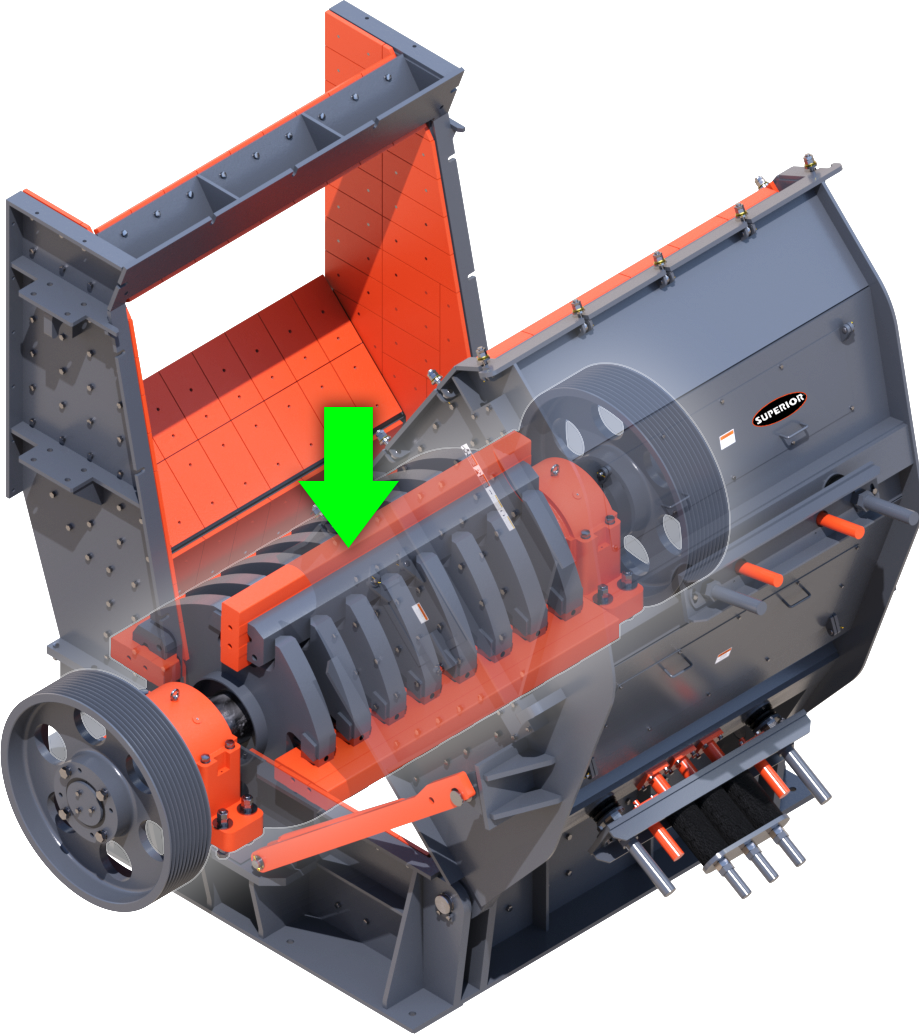
Superior expands blow bar metallurgy portfolio
September 15, 2026
Superior expands blow bar metallurgy portfolio
Unlocking value in mining through smarter lubrication strategies
September 10, 2026
Unlocking value in mining through smarter lubrication strategies
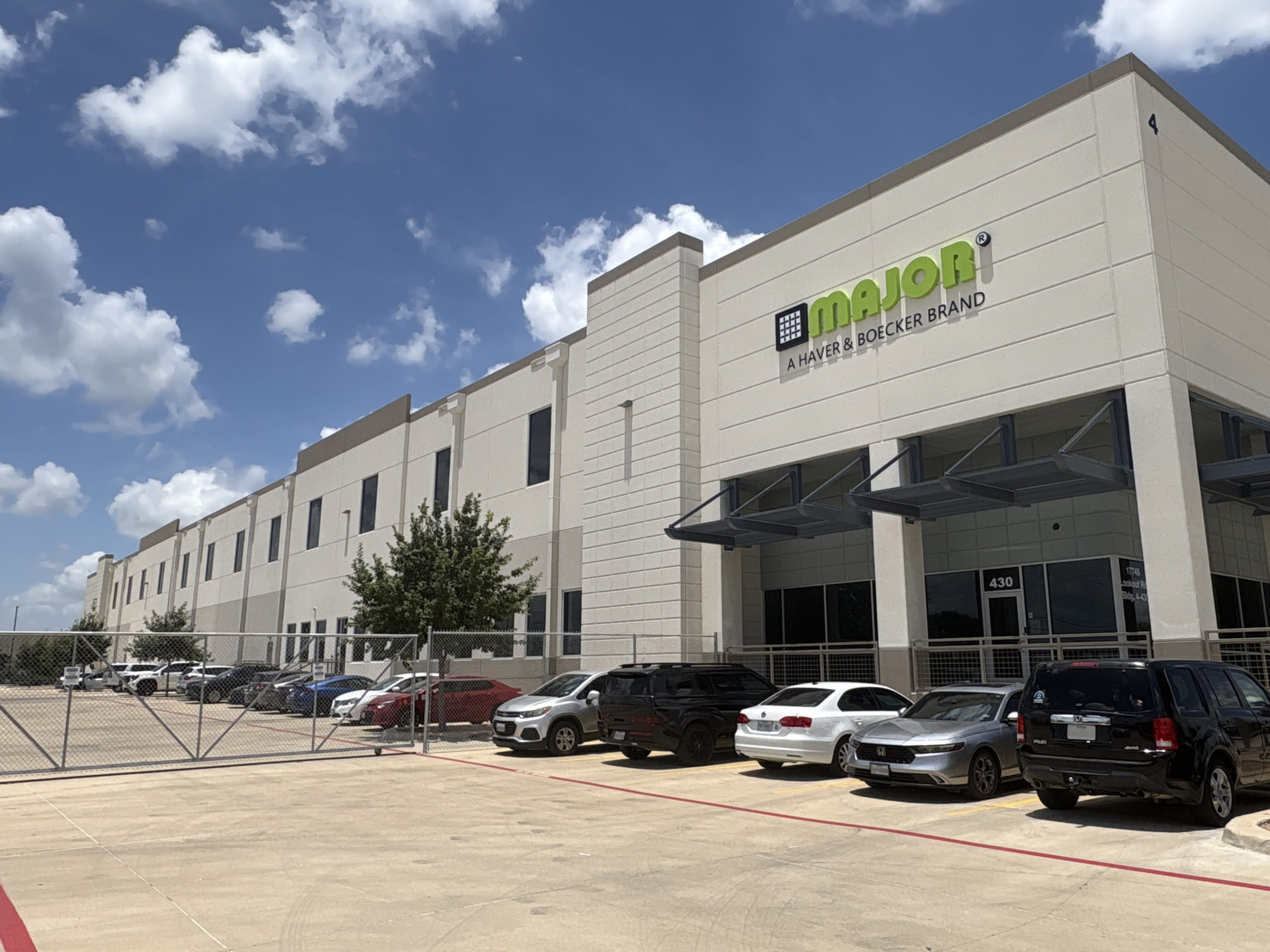
MAJOR moves operations to upgraded Texas facility
September 10, 2026
MAJOR moves operations to upgraded Texas facility
Emerson updates turbomachinery protection software
September 8, 2026
Comments