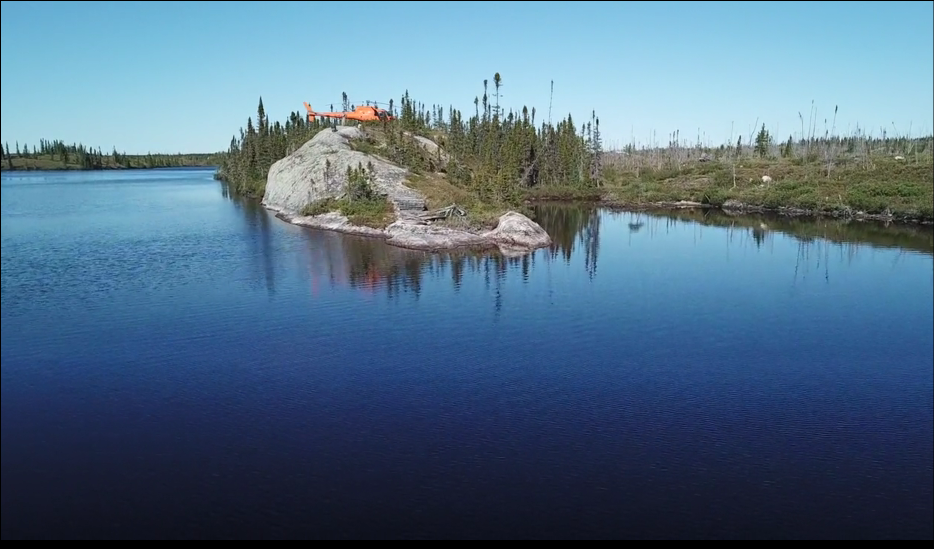
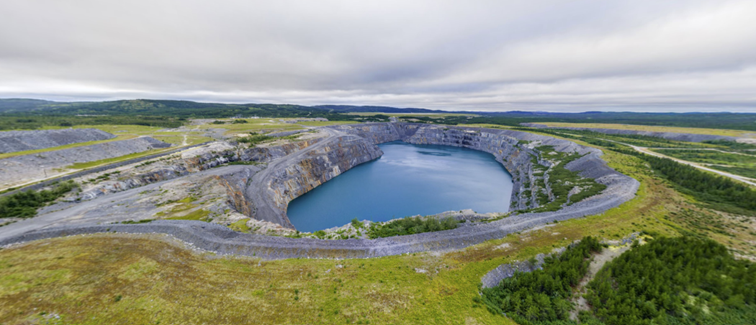
Federal assessors invited Indigenous communities and the public to review environmental impacts from a proposed 21-year lithium mining operation in northern Quebec that could produce 11,000 tons of ore daily. The proposed Shaakichiuwaanan mining project is a new hybrid (open-pit and underground lithium mine. The operation would extract lithium from a site located 220 km east of Radisson in Eeyou Istchee James Bay.
The Joint Assessment Committee, comprising representatives from the Impact Assessment Agency of Canada and the Cree Nation Government, conducts the federal review of PMET Resources' Shaakichiuwaanaan mining project.
PMET Resources targets growing battery market
PMET Resources, a Toronto-based mineral exploration company, has developed the project to capitalize on growing demand for lithium used in electric vehicle batteries and energy storage systems. The company's flagship property covers approximately 47,000 hectares in the James Bay region, an area increasingly recognized for its critical mineral potential.
The proposed mining complex includes an ore processing plant, water treatment facility, workers' accommodation camp and storage areas for waste rock, tailings and ore stockpiles. Project infrastructure would support a 21-year mine life producing battery-grade lithium concentrate for North American and international markets.
Quebec emerges as critical mineral hub
Lithium demand continues accelerating as automakers transition to electric vehicles and utilities deploy large-scale battery storage systems. Quebec's James Bay region has emerged as a strategic source of critical minerals, with multiple exploration companies advancing lithium, rare earth and graphite projects across the territory.
The joint assessment examines potential environmental impacts on fish and fish habitat, migratory birds and Indigenous communities traditionally using the area for hunting, fishing and cultural activities. Federal regulators require comprehensive mitigation measures to protect sensitive ecosystems while enabling responsible resource development.
Indigenous partnership shapes assessment process
Cree Nation Government participation reflects recognition of Indigenous rights and traditional knowledge in environmental assessments affecting ancestral territories. The collaboration ensures Indigenous perspectives inform technical reviews and regulatory decisions throughout the approval process.
The Impact Assessment Agency encourages participation from Indigenous communities, environmental groups and interested residents during the current comment period. Reviewers can examine the proponent's impact statement summary documenting potential environmental effects and proposed mitigation strategies.
Public comment period runs until May 28
Comments must be submitted online through the Canadian Impact Assessment Registry using reference number 89271 by 11:59 p.m. on May 28, 2026. Participants preferring alternative submission formats can contact assessors directly at Shaakichiuwaanaan@iaac-aeic.gc.ca.
This marks the third of four public participation opportunities during the federal assessment process. Previous consultation rounds gathered input on project scope and methodology while future sessions will address draft assessment findings and regulatory recommendations.
Assessment report to guide final decisions
Comments collected during this phase support the Joint Committee's preparation of a draft Impact Assessment Report analyzing project benefits, risks and regulatory conditions. The document will guide final approval decisions and establish environmental monitoring requirements if the project advances.
The Canadian Impact Assessment Registry publishes all submitted comments as part of the public project file, ensuring transparency throughout the review process. Interested parties can register for project-specific notifications to receive updates on assessment milestones and consultation opportunities.
Regional Development Attracts Investment
Quebec's James Bay territory has attracted significant mineral exploration investment following discoveries of lithium, rare earth elements and other critical minerals essential for clean energy technologies. The provincial government supports responsible development of these resources while maintaining environmental protection standards.
PMET Resources has conducted extensive geological surveys and environmental baseline studies to support the project application. The company emphasizes sustainable mining practices and meaningful Indigenous engagement throughout project development and potential operations.
North American supply chain considerations
Mining industry analysts note growing competition for lithium supply as electric vehicle adoption accelerates globally. North American lithium projects like Shaakichiuwaanaan could reduce dependence on international suppliers while supporting domestic clean energy manufacturing.
The federal assessment process typically requires 12 to 18 months from impact statement submission to final regulatory decision. Timeline variations depend on project complexity, public participation levels and requirements for additional technical studies or Indigenous consultation.
.

Comments