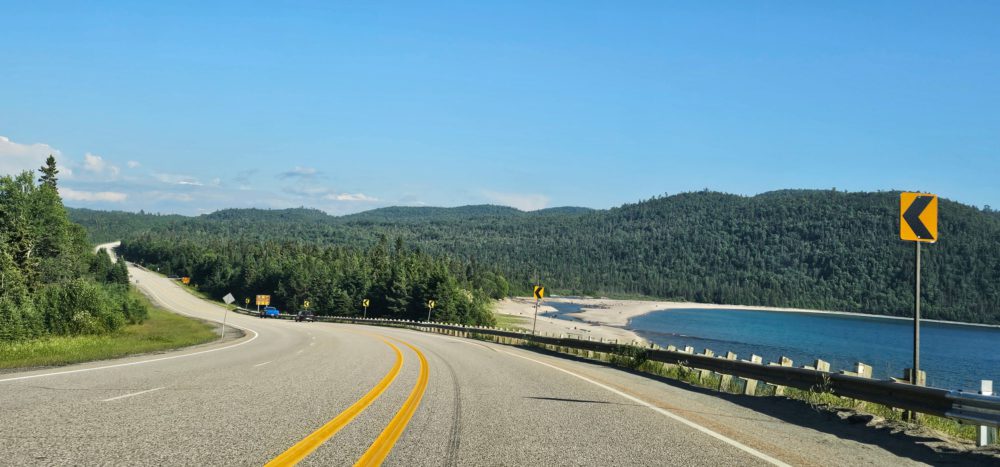
New Quebec minister urged to cut mining red tape
Quebec has a new minister responsible for mining and forestry. Jean-François Simard, a sociologist by training who once served as the province’s […]
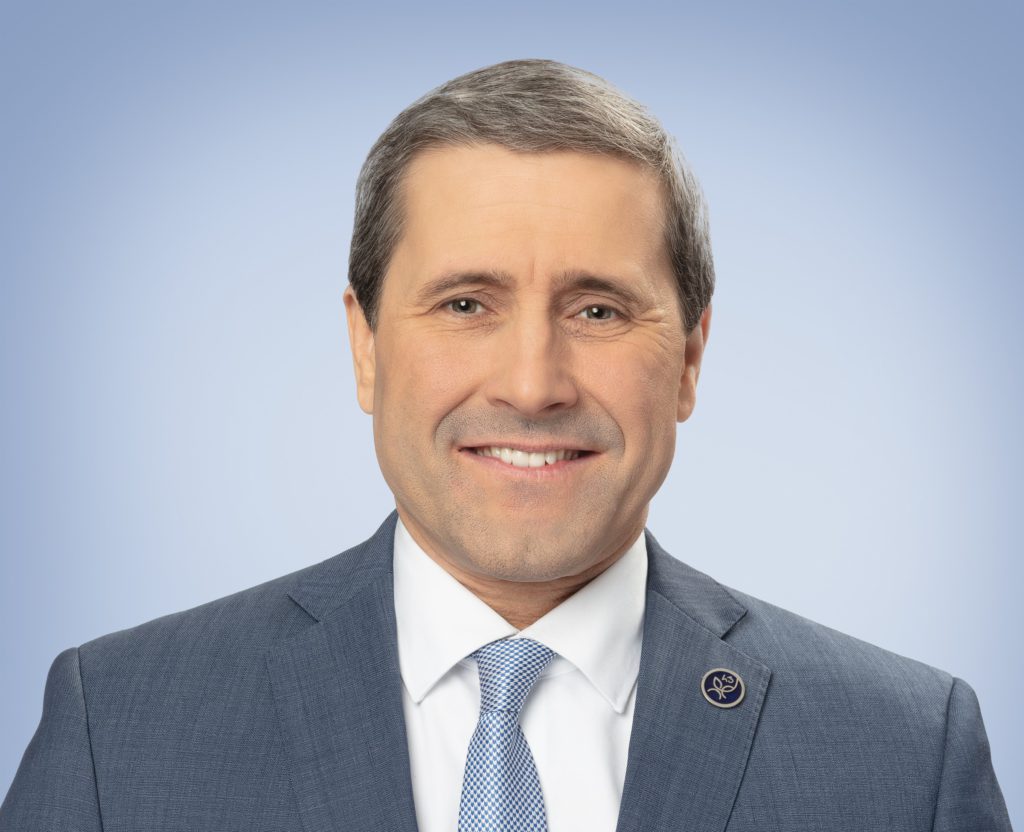
Jean-François Simard
Quebec has a new minister responsible for mining and forestry.
Jean-François Simard, a sociologist by training who once served as the province’s junior environment minister, was appointed natural resources minister in September. A former member of the separatist Parti Québécois, he spent 14 years teaching at the University of Quebec in Outaouais before re-entering politics by running in the 2018 election.
Simard, 58, replaced Maïté Blanchette Vézina on Sept. 10 as part of a major cabinet shuffle engineered to boost support for the increasingly unpopular government of Premier François Legault. Blanchette Vézina, who immediately quit the party to sit as an independent lawmaker, criticized her former boss for being out of touch with Quebec’s resource-rich regions and urged him to “consider his future.”
Simard takes the helm at a critical time for Quebec miners. In late July, Canada’s second most populous province plummeted to 22nd place from fifth in the Fraser Institute’s annual ranking of the world's most attractive mining jurisdictions. Quebec had previously made the think tank’s Top 10 for four straight years.
Key factors behind the downgrade included mineral endowment, a less attractive fiscal regime, a lack of predictability in environmental regulation and a perceived lack of harmonization between provincial and federal laws, which complicates the approval of mining projects.
Quebec’s drop in the Fraser Institute’s ranking “only confirmed what companies have been telling us,” Francis Bérubé, head of communications at the Quebec Mining Association, said in an interview. “There is a lot of uncertainty surrounding the industry.”
Saskatchewan is Canada’s most attractive mining jurisdiction, ranking third globally, while Newfoundland and Labrador ranks sixth.
A spokesperson for Simard didn’t respond to a request for an interview.
As he announced the cabinet shuffle, Legault said ministries will be tasked with becoming more efficient and “cleaning up the bureaucracy” over the coming months.
Streamlining environmental regulations to spur economic development will be a top priority, he stressed.
“We’re all in favour of protecting the environment, but we can no longer block development with delays that make no sense – delays that are interminable,” Legault said.
The premier’s pledge is music to the ears of the mining industry – as long as it leads to concrete improvements.
“The big priority for us is seeing a reduction in unnecessary administrative formalities and delays associated with various mining projects,” Bérubé told The Northern Miner. “It’s a matter of competitiveness. There seems to be a clear will on the part of the government to achieve this, but we’ll see how it translates into new regulations.”
Simard’s lack of familiarity with mining won’t necessarily be a handicap because it can offer him a different perspective on issues that affect the industry, Bérubé said.
“Mr. Simard will obviously need to become acquainted with his files. We’re ready to give him time,” he said. Association officials expect to meet with the minister in the next few weeks, Bérubé added.
Still, Simard will need to show what he’s capable of soon. Quebec’s next provincial election is scheduled for October 2026, and Legault’s Coalition Avenir Québec (CAQ) government finds itself trailing badly in voter support.
If an election had been held last month, the CAQ would have come in third with 16% support, far behind the 38% racked up by the Parti Québécois and the Quebec Liberal Party’s 27% score, polling firm Léger said. Support for the CAQ fell by 1 percentage point from a Léger poll in August.
March 19, 2026

March 19, 2026
Comments