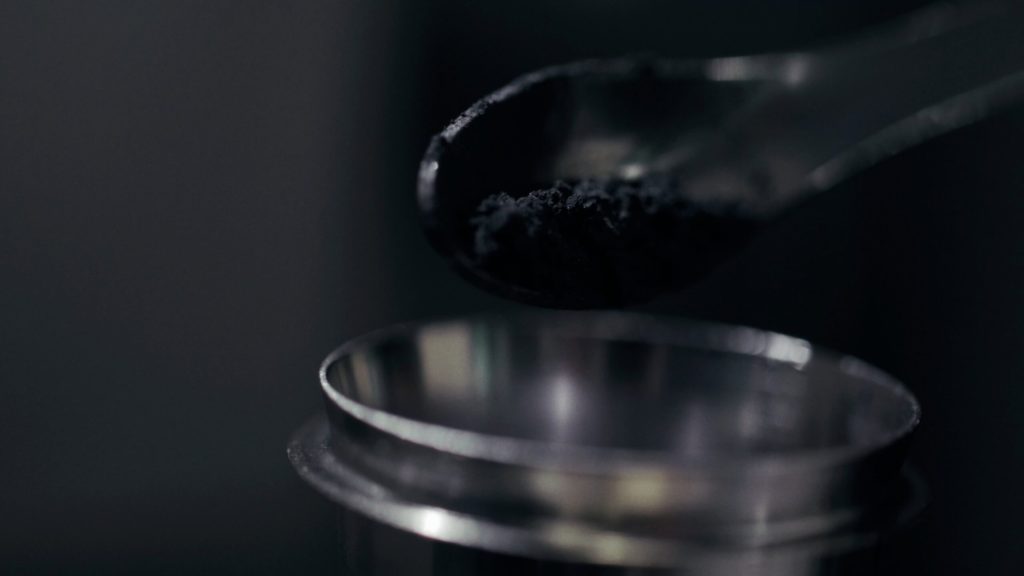
Through its collaboration with McGill University, Nouveau Monde Graphite (NYSE: NMG, TSX: NOU) has developed a new green-chemistry coating process for anode materials.
The anode coating process spreads is an essential step of battery manufacturing where a thin layer of materials is spread onto a copper sheet to build the batteries negative side.
NMG’s partnership with McGill began in 2020 as an effort to advance low environmental footprint battery material technologies. The company says the process has the potential to improve the carbon profile of manufacturing while meeting industry performance requirements.
“This innovation, together with our ongoing investments in R&D, reflects our commitment to continuously improving our processes and products in order to deliver an ever-stronger value proposition to our present and future customers,” said Eric Desaulniers, the founder, president and CEO of NMG. “It also aligns with our objective of developing sustainable and resilient supply chains that are less dependent on petroleum-derived products and sheltered from the volatility of their costs.”
The process involves replacing a pitch coating, which is the current industry standard, with a bio-based coating. NMG estimates this process would reduce Scope 1 CO₂e emissions by 130 kilograms per tonne of coated spherical purified graphite produced. The team at McGill is continuing its work to further estimate reductions in Scope 2 and Scope 3 CO₂e emissions.
NMG says the next steps will include comparative long-term cycling tests, evaluation of new material types, and a validation campaign on industrial-scale equipment. The company says it has already filed a patent for the process.
The research project was initially funded through the Quebec government’s Mining Research and Innovation Support Program (PARIDM), and later through a grant from the Natural Sciences and Engineering Research Council of Canada (NSERC).
Under the terms of the agreement, NMG has commercial exclusivity for any future use of this technology.
Comments