A U.S. investor group that includes Glencore (LSE: GLEN) is offering to recapitalize Sherritt International (TSX: S) and acquire control of the beleaguered miner whose survival is in doubt following the suspension of its Cuban operations. The stock surged.
The consortium, which also includes London-based Kyma Capital, Brevan Howard Asset Management co-founder Trifon Natsis and an unidentified U.S.-based anchor investor, submitted its bid to Sherritt on June 26, according to a statement issued Monday. The offer includes immediate equity funding at 12¢ a share without a third-party debt-financing condition and gives eligible existing shareholders the right to invest at the same price as the consortium.
"This is a funded, inclusive proposal at a price with no discount, from investors who know this company, with a credible path to the noteholder consent any transaction must have and with constructive engagement already underway in Washington,” the U.S. investor group said in the statement. We are not asking the board to abandon its process. We are asking it to compare proposals — and to let the better transaction win on the merits."
The proposal comes as Sherritt faces an acute liquidity crunch following the halt of its Cuban joint venture in May due to sweeping U.S. sanctions and the subsequent shutdown of its nickel and cobalt refinery in Fort Saskatchewan, Alta.
The consortium is touting its proposal as an alternative to a deal that Sherritt has been negotiating with Gillon Capital. That proposal involves a warrant that could ultimately give Gillon control of the company, rather than providing immediate equity capital. Discussions with Gillon are ongoing, Sherritt has said.
Sherritt shares jumped 24% to 15¢ apiece Monday morning in Toronto, valuing the company at about $105 million (US$75 million). The stock has traded between 6¢ and 25¢ in the past year.
Majority stake
Under deal terms disclosed Monday, Sherritt is to be acquired by a U.S.-based structure that would hold at least 55% of the company on a fully diluted basis at completion.
U.S. authorities have already confirmed in writing that the State Department and the Treasury Department don’t object to the consortium negotiating with Sherritt, according to the investor group’s statement.
If a deal is completed, the U.S. consortium says it will work with Sherritt to stabilize its capital structure and liquidity; preserve and enhance Fort Saskatchewan and the company’s North American nickel and cobalt processing capability; and establish a “compliant pathway” for the business to serve critical-minerals supply chains. A dedicated sanctions, national security and compliance committee of the board will also be created.
Credible alternatives
On Friday, a group of Sherritt bondholders who own most of the company’s 9.25% notes due in 2031 called on the company’s board to engage immediately “with all credible alternatives.”
Any attempt by Sherritt to present debt investors “with a take-it-or-leave-it transaction after outcomes have effectively been predetermined” will be rejected, the bondholder group warned. “Meaningful engagement with noteholders must occur before key economic and governance terms are finalised in any transaction requiring noteholder consent.”
Sherritt suspended its direct participation in its Cuban joint venture activities on May 7 after U.S. President Donald Trump’s administration expanded sanctions against Cuba. Although Sherritt has not been formally designated under the U.S. order, the measures materially altered the company’s ability to operate normally.
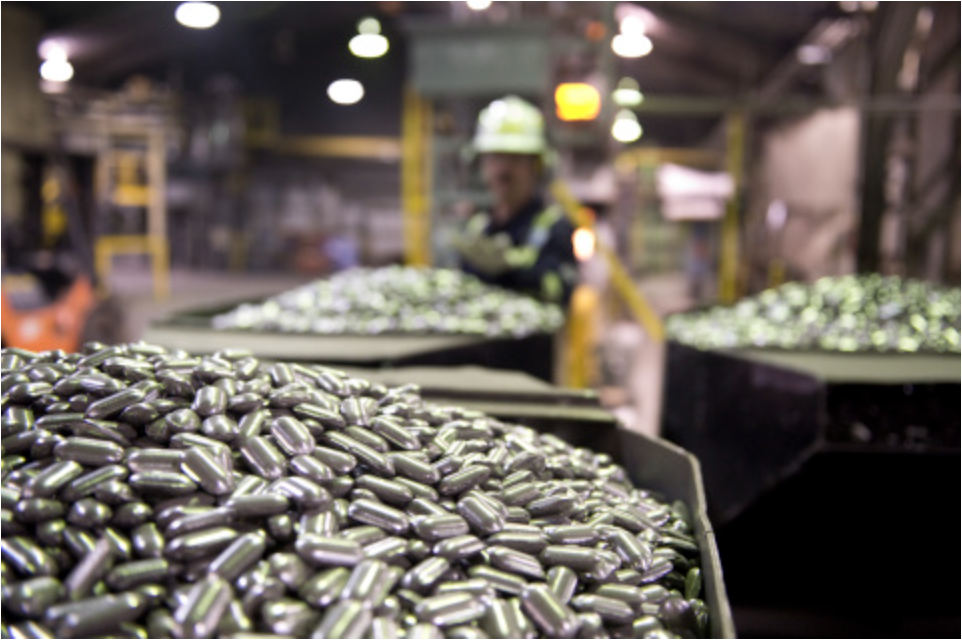
The Moa joint venture, a 50-50 partnership with Cuba’s state-owned General Nickel, has historically formed the core of Sherritt’s nickel and cobalt business. The vertically integrated operation mines and processes ore in Cuba, with the resulting material refined in Fort Saskatchewan. The Alberta facility is the only significant cobalt refinery and one of only three nickel refineries in North America, according to Sherritt.
Difficult conditions
Sherritt’s problems predate the latest Cuban crisis. Moa struggled with lower-than-expected production during 2025. Sherritt attributed the decline to lower ore volumes, unplanned maintenance and difficult operating conditions in Cuba.
Last month, Sherritt said it required significant new capital to fund a restart and warned that constrained liquidity created material uncertainty about its ability to continue as a going concern. It also said the cost of restarting had increased because of sharply higher sulphur prices.
The U.S. consortium argues its proposal would bring not only fresh capital but also strategic and operating expertise to Sherritt’s nickel and cobalt platform. Glencore would provide relevant technical, refining, marketing and critical-minerals expertise, the group says.
Sherritt is scheduled to release second quarter results Wednesday after market close. The company has said it won’t hold a quarterly conference call that day.


Comments