Yukon, feds back Kudz Ze Kayah Mine despite Indigenous opposition
The Yukon and federal governments approved the contentious Kudz Ze Kayah mine project near Ross River on Friday, authorizing Vancouver-based BMC Minerals […]
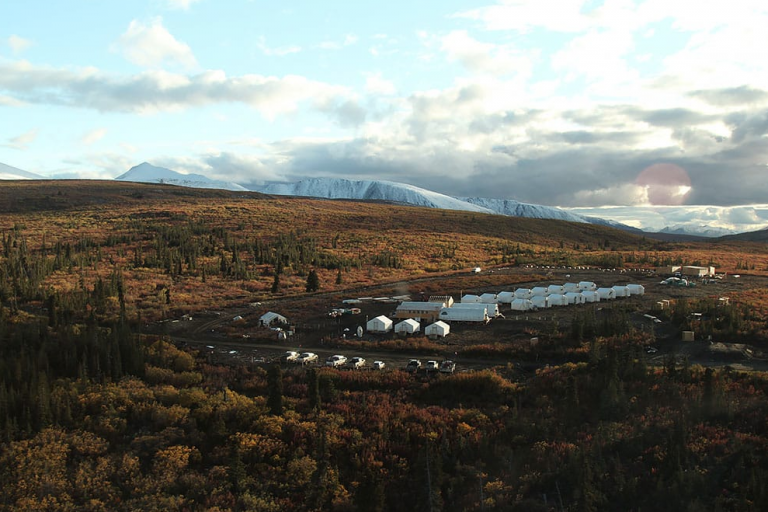
The Yukon and federal governments approved the contentious Kudz Ze Kayah mine project near Ross River on Friday, authorizing Vancouver-based BMC Minerals to proceed with copper, lead and zinc operations despite opposition from local First Nations, according to reports from CBC News.
The approval allows BMC Minerals to mine and process up to two million tons of ore annually over a 10-year period, with the company expecting the operation to become Canada's largest zinc producer. Officials attached 52 terms and conditions to the approval, covering areas from water treatment to caribou monitoring.
The decision replaces an earlier approval that courts overturned in 2024 when the Yukon Court of Appeal ruled the original decision failed to properly assess the project's economic feasibility. The court ordered additional consultation on financial viability before any new approval.
Government officials concluded after their review that the project presents no material risk of economic failure or early closure, citing strong economic fundamentals. However, they acknowledged that local Indigenous communities continue to withhold consent for the mining operation.
The mine sits approximately 115 km south of Ross River on traditional territory belonging to the Liard First Nation and Ross River Dena Council, neither of which has negotiated land claim agreements. The Ross River Dena Council recently declared the local Finlayson caribou herd a "living ecological person with inherent rights" as part of their opposition efforts.
The approval requires establishing an independent oversight committee within six months to monitor impacts on the Finlayson caribou herd and recommend mitigation measures. Representatives from both First Nations and the Yukon government will serve on the committee.
Ross River Dena Council officials expressed deep disappointment with the decision, calling it a severe infringement of constitutionally protected Aboriginal rights and a violation of United Nations Declaration on the Rights of Indigenous Peoples commitments. The First Nation described the region as culturally, ecologically and spiritually significant to Kaska people.
Council leaders accused both governments of failing to meaningfully engage during the environmental assessment process and suggested officials never genuinely considered rejecting the project. The First Nation called on the federal government and Prime Minister to intervene and threatened legal action seeking financial redress for unauthorized territorial expansion.
Government officials defended their consultation approach, saying they sought Kaska consent throughout the process while recognizing that consensus may not always be achievable. They characterized their consultation efforts as fair and proportionate to the decision's significance.
BMC Minerals described the approval as a major milestone for reducing project risk. Company officials said they will now pursue additional permits and authorizations, including water and quartz mining licenses, with plans to make a final investment decision by late 2027.
The mining project advances as the Yukon mining industry continues supporting thousands of jobs across the territory, though it highlights ongoing tensions between resource development and Indigenous rights in Canada's North.
September 30, 2026

September 30, 2026
September 30, 2026

September 29, 2026
September 29, 2026
Comments