Dyno Nobel targets safer, cleaner surface mining
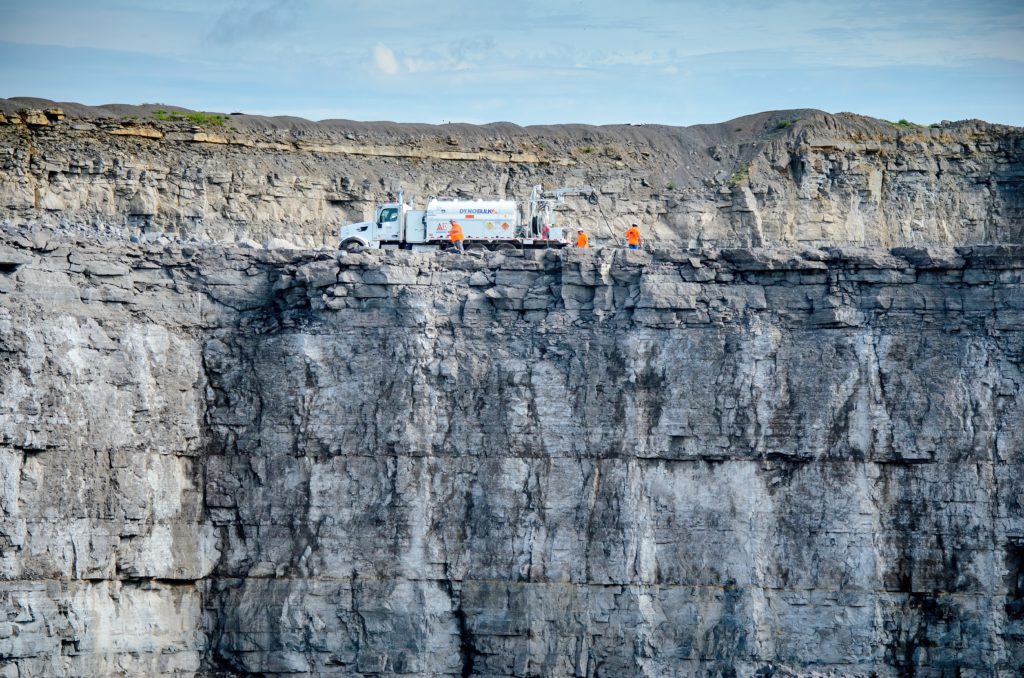
As mining companies push for greater productivity while facing growing pressure to reduce emissions and improve efficiency, blasting technology is evolving rapidly. In this Q&A, Pierre Labelle, general manager of sales and commercial operations for Canada at Dyno Nobel, discusses how electrification, precision blasting, digitalization and drill-to-mill optimization are reshaping surface mining operations. He also outlines how the company’s sharpened focus on explosives and mining services is helping miners improve safety, fragmentation performance and overall operational efficiency.
Q: Dyno Nobel recently introduced a mine-ready electric mobile processing unit (MPU) for explosives delivery — how do you see electrification transforming large-scale surface mining operations in terms of cost, productivity and emissions reduction?
A: The DYNOBULK Electric MPU supports workplace health and safety by reducing noise and diesel-related fumes for workers on the bench. It is designed to improve the bench environment while supporting customer goals for operational efficiency and greenhouse gas emissions reduction.
The MPU is configured with a 390 kWh lithium polymer battery powering a 410 HP electric motor, with a range of up to 300 km on a single charge. The battery can be fully recharged in approximately 45 minutes using a fast-charging station, helping reduce downtime during daily operations.
Built-in safety systems, including automatic shutdown, thermal management and containment measures, are designed to support operator safety and environmental protection.
The vehicle is designed for demanding mining conditions and built to meet applicable industry standards for safe and reliable operation.
Q: With advancements like DIFFERENTIAL ENERGY and precision blasting, how is Dyno Nobel helping surface mines reduce ore dilution and improve fragmentation outcomes at scale?
A: Precision blasting starts with placing the right energy in the right part of the borehole. Dyno Nobel’s DIFFERENTIAL ENERGY technology gives mining operations greater control over energy placement using a single bulk product, supported by blast design, field execution and performance measurement.
The energy profile of each borehole can be adjusted while the hole is being loaded by varying product density, which directly affects delivered energy. For example, a hole can be loaded at higher density near the toe where stronger breakage is required, at lower density through a softer seam and at lower density near the collar where control is important. When paired with precise electronic initiation systems, customers can design blasts with the right energy in the right place, released at the right time.
What matters most is not simply the ability to vary energy, but the ability to design the right profile, load it accurately in the field, and validate the outcome through measured performance.
Q: As surface mining faces increasing ESG pressure, how do you balance the demand for lower environmental impact with the need to maintain high productivity and throughput in blasting operations?
A: Dyno Nobel’s TITAN XL 1000 bulk emulsion technology is designed to improve the environmental performance of bulk explosives without losing sight of productivity. When paired with precise delivery systems and appropriate blast design, TITAN XL 1000 can help significantly reduce post-blast NOx fumes. The technology can also help reduce nitrate leaching risk when applied under appropriate site conditions.
This helps customers support regulatory compliance while maintaining the blast performance needed to meet production targets.
On the productivity side, higher-delivery-rate MPUs and precise loading methods help improve bench efficiency. DynoLogix control systems and Delta E² (ΔE²) Preload software improve on-bench efficiency by automating loading and helping ensure the blast design is executed as intended. This includes complex loading plans with multiple density segments per hole through DIFFERENTIAL ENERGY, allowing energy placement to match geology and blast objectives. Productivity also starts in the design stage, where our ΔE² methodology uses smart-drill data to help determine the required energy profile before the MPU reaches the bench.
This process connects with the DynoLogix control system to support accurate, efficient loading and help customers turn the blast plan into repeatable field execution.
Q: Following your divestment of fertilizer assets to focus on explosives, how does this sharpen Dyno Nobel’s value proposition for major surface mining clients.
A: Dyno Nobel’s focus on becoming a pure-play explosives company is grounded in our long history in blasting and explosives innovation. Our ambition is to work closely with customers to deliver practical technology solutions to their operating challenges and support their growth across geographies. This sharper focus enables us to invest more directly in the products, digital tools, delivery systems and technical services that help customers improve safety, productivity, environmental performance and total cost.
Q: How is Dyno Nobel integrating digital tools and “Drill-to-Mill” strategies to optimize the entire surface mining value chain — from blast design through comminution?
A: Dyno Nobel’s Drill-to-Mill methodology starts with understanding the operation’s bottlenecks, then using tools such as Nobel Fire to design blast patterns that support improved throughput. When combined with our products, delivery systems, field data capture, monitoring and dashboards, we can help quantify the value delivered over time. The value comes from connecting each part of the mining process, from blast design and execution through loading, hauling, crushing and milling, then measuring the impact.
A recent copper mine Drill-to-Mill project delivered an estimated $20 million in annual added value, including a 17% increase in ore processed per hour and a 10% reduction in SAG mill energy consumption. Our DynoConsult engineering team plays a key role in designing, implementing and measuring these optimization programs.
Related Posts
Canadian Mining Hall of Fame announces 2027 inductees
October 1, 2026
Canadian Mining Hall of Fame announces 2027 inductees
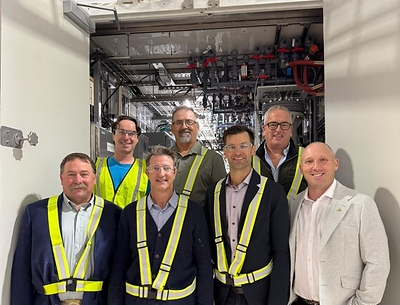
EMP, Saltworks host lithium-demonstration-plant tour
October 1, 2026
EMP, Saltworks host lithium-demonstration-plant tour
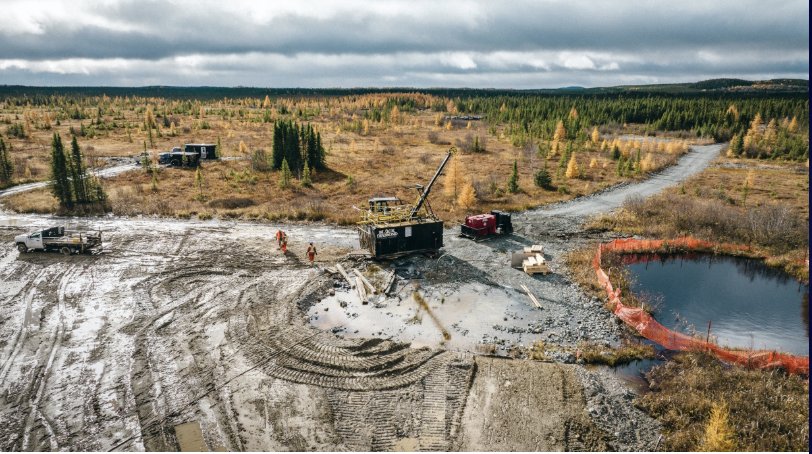
Mayfair lines up $310M for Fenn-Gib gold project in Ontario
October 1, 2026
Mayfair lines up $310M for Fenn-Gib gold project in Ontario

TNM reveals latest bonus prize Treasure Hunt clue
September 30, 2026
TNM reveals latest bonus prize Treasure Hunt clue
Gold refining goes electric
September 30, 2026
Comments