Beyond compliance: Elevating safety standards in underground mining
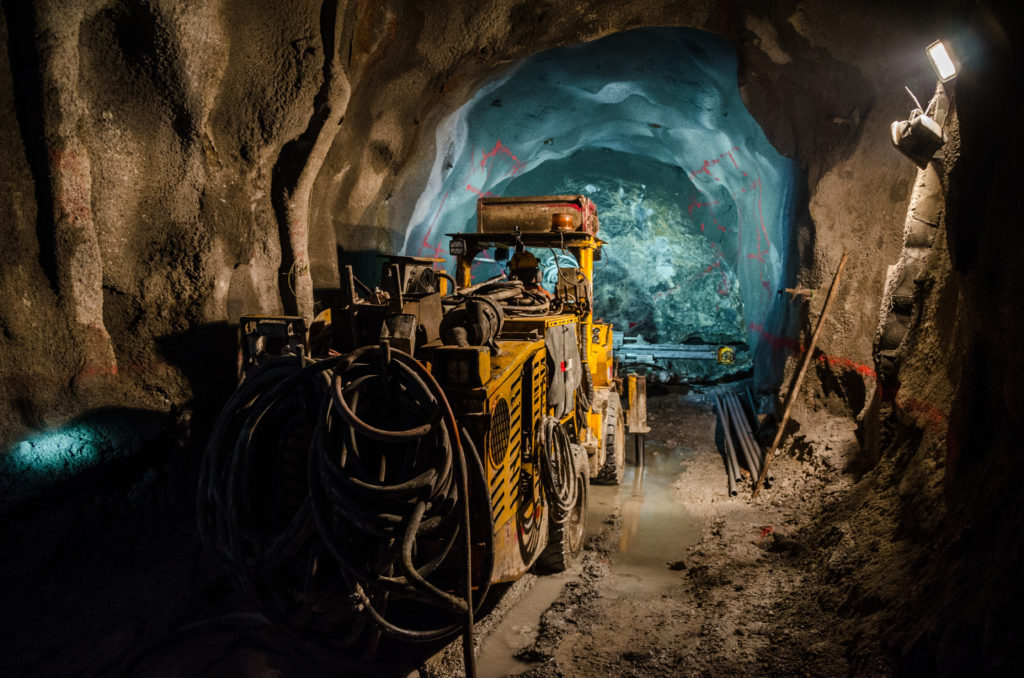
Enhancing critical risk management is vital for driving improvements in safety and operational excellence in the mining sector. According to the International Council on Mining and Metals’ (ICMM) 2024 Safety Performance Report, the mining industry experienced a rise in fatalities in 2024, with 42 reported across ICMM’s 24 member companies. This marks an increase from 36 fatalities in 2023 and 33 in 2022, indicating a troubling upward trend over the past three years.
Forty-three per cent of those fatal incidents occurred underground. Indeed, underground mining presents a unique set of challenges and risks that distinguish it from other subsectors. The tragic mine collapse incident at the El Teniente copper mine in Chile this past summer, which resulted in the loss of six workers, served as stark reminder of that reality.
By proactively reinforcing safety protocols and advancing critical risk management practices, mining organizations can enhance operational resilience and achieve improved outcomes in the future.
Safety and profitability: A dual imperative
Evidence for the relationship between safety and profitability in mining is mounting. According to the 2025 EY Global EHS Maturity Study, organizations that invest in robust environmental, health, and safety (EHS) programs experience significant operational efficiencies and improved business performance. In Canada, 70% of surveyed executives reported their health and safety initiatives positively impacted their bottom line. This correlation emphasizes safety is not merely a regulatory obligation but a strategic business imperative. Companies that prioritize safety can reduce accident rates, enhance organizational reputation, strengthen talent retention, and ultimately drive profitability.
The study further revealed 85% of Canadian respondents attributed operational efficiency improvements to a robust EHS approach. As mining leaders pursue underground projects, integrating safety and fatality prevention into their core operating strategies will remain essential for sustained growth. This dual focus on safety and profitability can create a virtuous cycle where enhanced safety measures drive better financial performance, opening the door to new avenues of growth investments.
The financial implications of safety can also extend beyond immediate cost savings. Investors are increasingly scrutinizing companies’ safety records and EHS practices, recognizing a strong safety track record can mitigate risks and enhance long-term value. A mining company with a solid safety reputation is more likely to attract investment, new business, and maintain a competitive edge in the market. Integrating safety into business strategy is not just about compliance; it is about positioning the organization for success.
Critical risk management and practical controls
Critical risk management in underground mining is vital for developing effective safety measures to prevent significant injuries and fatalities. The ICMM outlines several key factors that contribute to critical failures, including non-compliance with established protocols, design flaws, and inadequate risk management.
To address these issues, the ICMM advocates for a critical control management (CCM) approach, which emphasizes identifying and prioritizing essential controls necessary for preventing catastrophic events. ICMM guidance also highlights the importance of continuous monitoring and verification of safety controls.
By shifting focus from safety systems to critical controls, mining companies can pivot from purely compliance-oriented to performance-based safety models. For daily operations, this approach means the frontline can expect clearer safety protocols, better access to training, and more reliable critical controls in their daily operations. It also ensures that their concerns and feedback are valued as part of a continuous improvement process, directly involving them in the creation of a safer and more resilient work environment.
Bridging gaps: Leadership, culture, and technology
Equally important in addressing safety performance gaps are mining leaders who work to create safety cultures that prioritize accountability and continuous improvement.
Strong leadership is crucial in establishing a safety-first organizational mindset. Executives must actively engage with employees, encouraging open communication about safety concerns and promoting a proactive approach to risk management. Significant injury and fatality prevention requires a mindset shift across the workforce from the C-suite to the operators on the ground. This cultural shift is sine qua non to creating an environment where safety is prioritized at all levels.
Technology also has a role to play, enhancing safety measures and facilitating proactive critical risk management. The 2025 Global EHS Maturity Study indicates that while many organizations utilize integrated EHS platforms, there is still a significant opportunity to invest in advanced technologies that can shift safety management from reactive to proactive. For example, real-time data analytics from in-field verifications can help identify potential control failures before they escalate into major incidents. By embedding safety into the organizational culture and prioritizing technological advancements, mining companies can create best-in-class safety standards that protect their workforce and enhance operational safety and efficiency.
Ultimately, the pursuit of “zero harm” in underground mining should not be viewed as a competing goal to productivity but rather as a concurrent objective that drives success. By recognizing the interconnectedness of safety and profitability, mining leaders can foster a culture of safety that prioritizes the well-being of their workforce while achieving operational excellence. The commitment to safety must be nothing short of unwavering, as it not only protects lives but contributes to the long-term sustainability and profitability of the industry writ large. 
Rana Labban is a partner at EY Canada, leading the firm’s environment, health, and safety (EHS) practice. With more than 25 years of multisector experience, Rana develops comprehensive leadership transformation in addition to effective environment, health, and safety management systems.
Related Posts
Siemens, Rock Tech partner to model lithium refinery
September 24, 2026
Siemens, Rock Tech partner to model lithium refinery

MAC taps Ben Chalmers to succeed long-standing CEO
September 24, 2026
MAC taps Ben Chalmers to succeed long-standing CEO
Vizsla buys property bordering Mt. Milligan mine
September 23, 2026
Vizsla buys property bordering Mt. Milligan mine
Little Narrows quarry marks maiden shipment
September 23, 2026
Little Narrows quarry marks maiden shipment
NexGold hits 14g at Goldlund in Ontario
September 23, 2026
Comments
Mining ventilation
This article highlights an important shift in underground mining — moving beyond mere compliance to genuinely improving safety culture and risk management. Prioritizing safety not only saves lives but also strengthens operations and long-term performance.