New poll finds most Albertans back steelmaking coal mining
Northback Holdings — a unit of Australia’s Hancock Prospecting — is intending to resubmit a redesigned plan for the Grassy Mountain steelmaking‑coal project after a federal‑provincial panel rejected the original proposal four years ago. However, as of Oct.2, the Alberta Energy Regulator has yet to receive a new proposal.
The updated submission that the company will presumably send to the Alberta Energy Regulator shrinks the mine’s footprint by roughly 40% and cuts projected annual output to about 2.5 million tonnes from 4.5 million.
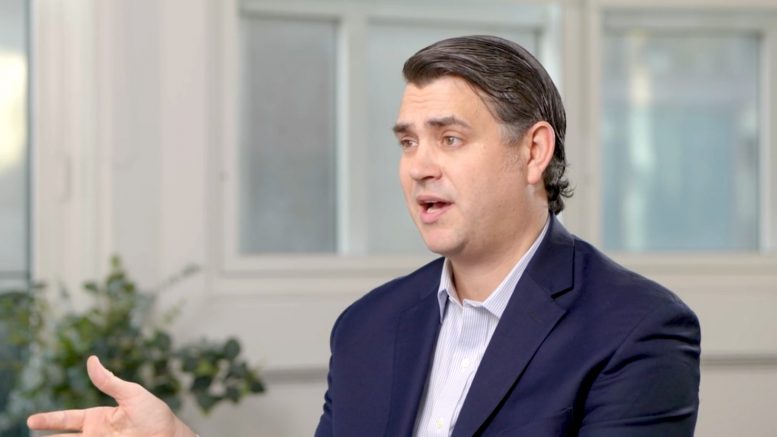
CEO Mike Young told the Globe and Mail the revisions also add a multilayered water‑management system to reduce selenium risks, slash overall water use, and return waste rock to the pit rather than dumping it in Gold Creek — a key complaint against the prior plan. Young said exploration work approved in May will start soon and feed into the new proposal.
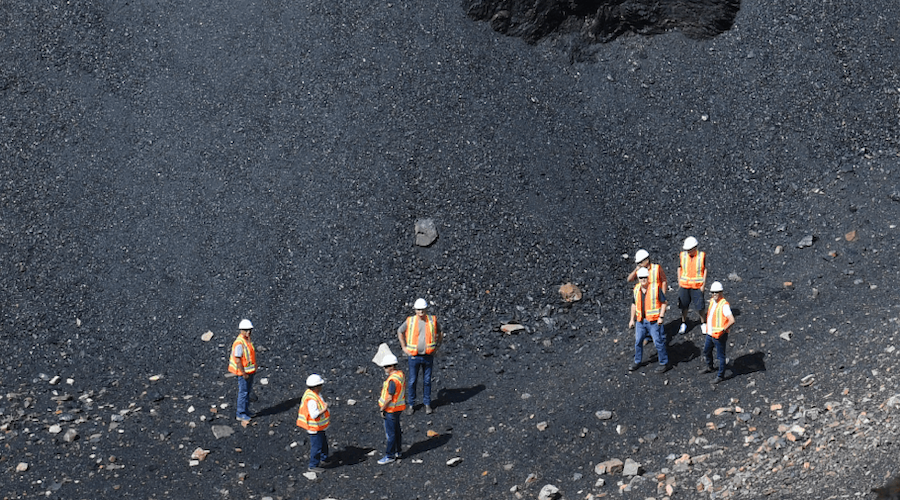
Grassy Mountain, in the Crowsnest Pass, has a long mining history and has split the region. Opponents — including local ranchers, the Municipality of Ranchland and public figures such as Corb Lund — warn about environmental damage and water use in an already dry area. Supporters point to jobs and local economic benefits; a non‑binding 2024 plebiscite in nearby Crowsnest Pass backed the mine by about 72%.
Northback also commissioned Calgary pollster Janet Brown to take a pulse of Albertans on steelmaking coal mining. The poll found 60% of Albertans support steelmaking‑coal mining province‑wide. Brown told the National Post that support rises to 74% if companies can demonstrate strong protections for waterways and the environment, and she suggested trade tensions with the U.S. are pushing Albertans to consider strengthening supply links to eastern Canadian steelmakers.
Hancock’s projects chief Sanjiv Manchanda acknowledged the company expects pushback but said Hancock will focus on doing the project well; he noted the firm has already spent an estimated $155–$170 million locally and stressed royalties are only part of the economic picture. Market challenges complicate the timing: S&P Global has reported weaker steel demand and trade uncertainty have depressed metallurgical‑coal prices since late 2023. Manchanda said Hancock will concentrate on controllable factors such as unit costs and environmental performance.
Young argues a supply shortfall could hit the market in the 2030s because few new mines are moving forward, and he says international buyers are already expressing interest. He also notes the quality of Grassy Mountain coal places it toward the higher end of the market.
Alberta lifted a moratorium on coal exploration in the Eastern Slopes in January and introduced new rules that ban open‑pit mines — though Grassy Mountain remains exempted as an “advanced project.”
The recent province‑wide poll of 1,400 Albertans (conducted July 21–Aug. 8 by phone) carries a ±2.6 percentage‑point margin of error, 19 times out of 20.

2 Comments
Siphiwe Maphumulo
We have an anthracite or metallurgical coal deposit in a 6500 Hacteres land or area which require an investor at 51 % ( Investor) and 49% (Local Owners) equity or Shareholding.
The anthracite coal is in the province of Kwa Zulu – Natal wnuch is 2 – 3 hours drive or 200 – 300 Km to the nearest port of Durban for export or logistical purposes.
Drilling and preliminary exploration has been made which puts the Life of Mine (LOM) to 30 years.
South Africa is a friendly investor destination which respects the rule of law and allows the investor to repatriate his/Her profits or proceeds to the destination of choice.
I can be contacted telephonically at : +27 79 990 2155 or email to :
maphumulo.siphiwe59@gmail.com.
ADDENDUM :
The deposit is 12 Km from the rail line or siding for export purposes through Richard’s Bay Coal Terminal (RBCT) or Durban Harbour.
Saadia Kendall
I disagree, our past tells us the devastation this will cause to the land itself & surrounding plants & it will kill or mutilate all life in the area, as well as make the water unsafe.