Poorly maintained lime systems can raise costs, disrupt pH control and force processing plants to shut down, says Darren Farnworth, lime systems specialist at Carmeuse Systems.
In an interview with The Northern Miner’s Devan Murugan, Farnworth explains how copper and gold operations can spot problems early, improve maintenance and prevent lime preparation from becoming a production bottleneck.
The Northern Miner: Why is lime important to copper and gold production, and why is it often overlooked?
Darren Farnworth: Lime is used for pH control principally, and it tends to be one of those background processes that people just expect to be there. How you use lime and how you make it has a huge effect on how stable your process can be. Ultimately, that means you’re going to get better production and more uptime and run a more stable facility.
TNM: What’s the most common misconception about lime systems in non-ferrous mining?
DF: Probably the most common misconception is that all lime is the same.
While the chemical is essentially the same, how it is produced, or how it’s made when you make down that lime at your facility, has a really direct impact on how stable your process can be, how reactive that lime will be and how useful it will be in making gold and copper.
TNM: What patterns do you see at facilities that consistently struggle with their lime systems?
DF: Probably the most common pattern is that it gets ignored. It is often in its own little room, it’s enclosed, and it’s left to its own devices. If it is working, that’s fantastic. If something breaks, they close the door and hope the night shift can fix it.
When lime is overlooked, it increases your maintenance costs, it can increase your downtime, and it can affect the stability of your process as it goes through.
The other thing is that not all lime slurry is the same. Once it’s made, it looks the same. It looks like a white milk of lime, but how it is made directly affects how reactive and useful that product can be to the production downstream.
TNM: What are the early warning signs that a system isn’t performing as it should?
DF: Probably the most common one is a lot of manual interruptions or manual adjustments.
If your lime system is not running in automatic and you have maintenance people or operations bypassing things, running around the automatic controls, that’s a very good sign.
You could see consumption increases that aren’t tied to production increases. You’re seeing more lime consumed than you normally would.
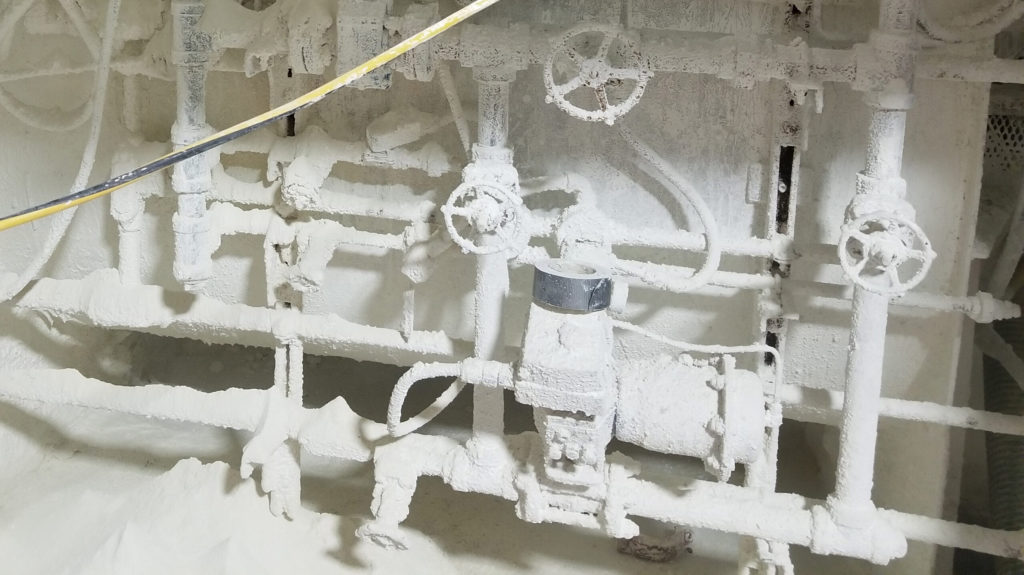
You pretty regularly will see scale buildup and a big mess around lime systems that have been neglected. Ultimately, you’re doing repetitive maintenance. You’re doing the same thing over and over again, particularly if it’s unplanned.
TNM: What happens if those warning signs are ignored?
DF: The smallest impact will be a loss of stability. Plants will find that they’re having a hard time maintaining their pH control, and they wind up chasing that problem downstream.
You will consume more lime, so you’ve got higher lime costs. Your maintenance costs can go up, and not just cost, but mental energy.
People are committing time and energy to focusing on their lime system when they could otherwise be spending that on overall production.
The worst-case scenario is downtime. If the whole plant has to shut down because you can’t maintain your pH balance, that has a huge impact.
TNM: Can you give an example of a seemingly minor problem that affected overall plant performance?
DF: One of my colleagues on the raw materials side of the business had noticed that a customer had started ordering super sacks of lime in addition to their regular bulk shipments.
We made a trip out there to figure out what was going on. What was happening was that they were slaking so poorly, their reaction was so poorly controlled, that they were unable to meet their production needs, meet their pH targets, and were having to put this manual intervention in place.
In reality, their system should have been able to fully meet their requirements, plus some additional capacity for an expansion that they’re planning.
But because they had let their lime system sort of fall out of service gradually over time, they weren’t able to meet their production targets.
TNM: What do operations with well-run lime systems do differently?
DF: The first thing I notice when I find myself at a facility that is running well is that it’s clean.
Cleaning up the lime system allows them to see when things are going wrong and identify problems quickly and early.
Those operations also really understand why lime matters to their process. They monitor the performance, not just of their overall production, but in terms of some key metrics of their lime system, be that density, lime consumption or the overall availability of the system.
Rather than just ignore it, they dig into root causes.
Probably the most important factor that those operations have is that they have a continuous improvement attitude. If they see something, they fix something. They’re always looking to improve it.
They’re training their operators in between so that there are more people who have knowledge within their organization, so that it doesn’t rely on a single individual being responsible for that operation.
TNM: How important are lime systems as producers try to increase output from existing plants?
DF: They’re trying to do more with less. They’re trying to increase production at existing facilities and really maximize that output because building new facilities is so much more expensive and difficult.
Keeping that system easy to operate and running on automatic allows them then to focus their energy on the other bottlenecks in their plants.
The last thing we want is the lime system to be a bottleneck.
TNM: If an operator suspects a problem, where should they start?
DF: Start grabbing some data. That’s always a useful thing in any diagnostic.
Track your volume consumption. Track how it moves up and down as your production moves up and down. Take some quality measurements. Keep track of how much maintenance you’re doing on a given system.
Then there’s a matter of starting to look for ways to improve.
There are outside views. It’s folks like us that can come in and look at your system, and we have observations that we see because we look at these every day.
But you can also find that training internally. Bring people in from either other operations within your organization or even completely different systems.
It’s amazing what a fresh set of eyes can do to really understand what is working and not working.
Watch the full interview below:
The preceding is PROMOTED CONTENT paid for by Carmeuse Systems and produced in co-operation with The Northern Miner. Visit https://systems.carmeuse.com/en/ for more information.

Comments