Canadian rare earth recycler Cyclic Materials has selected a site in Germany for its first European magnet recovery facility, marking a milestone in its international expansion.
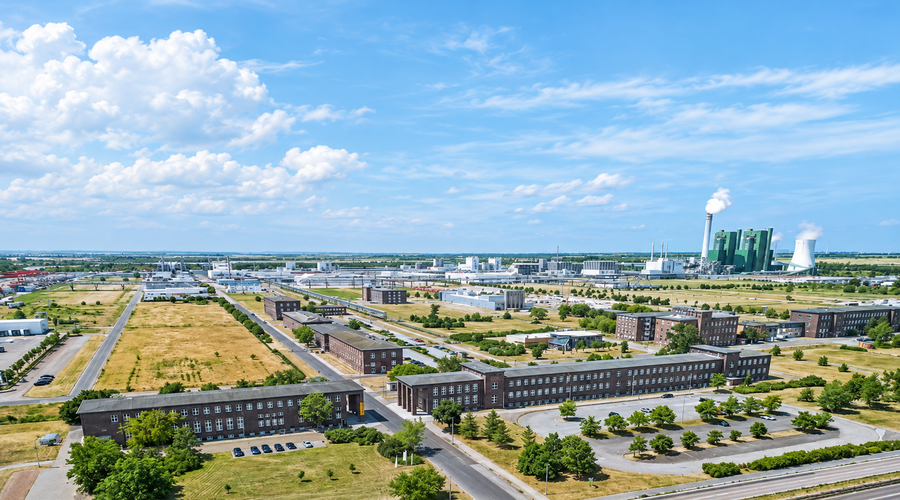
The privately held company signed a land reservation agreement for a facility at the Dow ValuePark in Schkopau, near Leipzig, it said Thursday. The proposed plant would lay the groundwork for a European rare earth recovery network with the potential to meet as much as 15% of the EU’s rare earth needs.
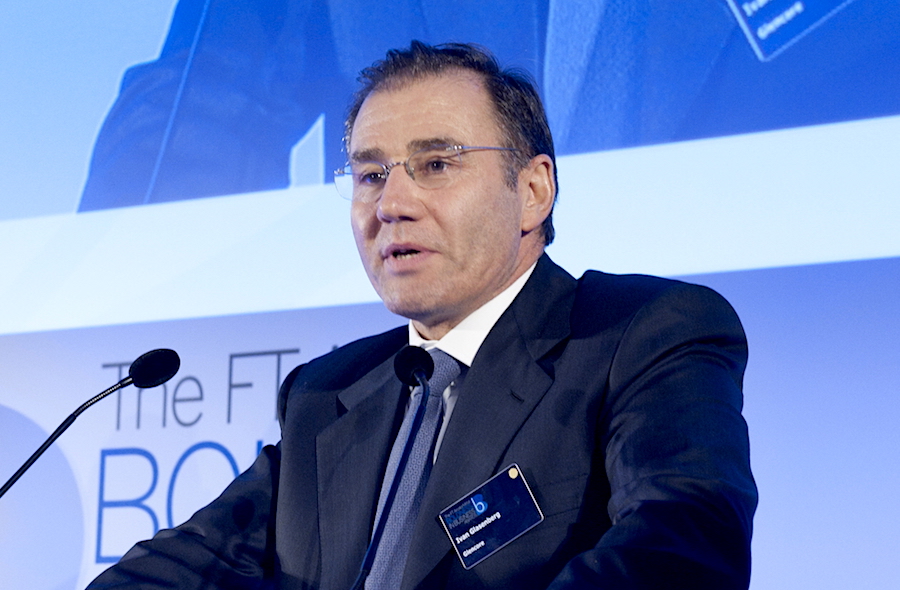
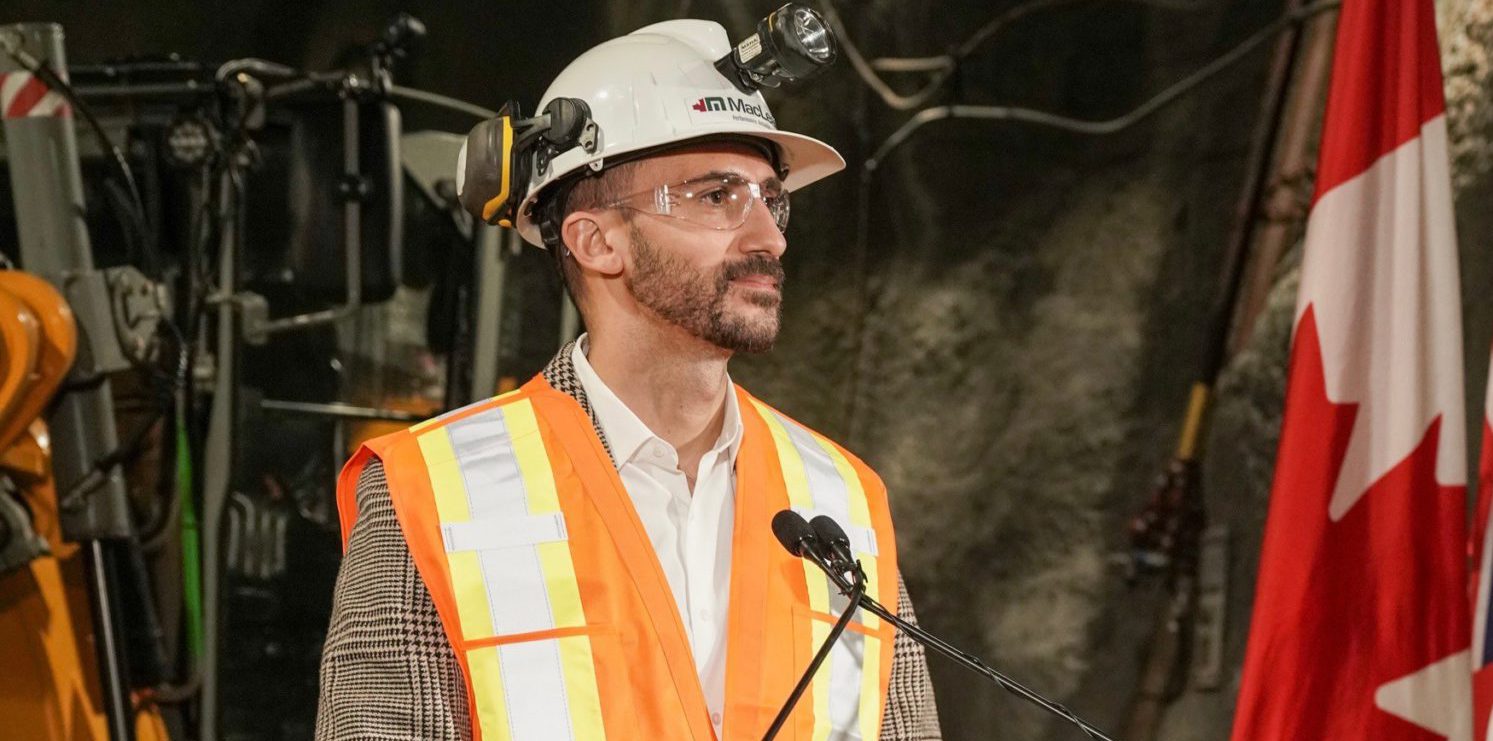
“Europe knows the economic resilience that can be delivered through a domestic, circular rare earth and critical mineral economy,” Cyclic CEO and founder Ahmad Ghahreman said in the statement.
The expansion comes as European demand for rare earth magnets is projected to more than double over the next decade, while China accounts for 90% of global processed rare earths. Recycling could help the European Union diversify its supplies of materials essential to the automotive, technology and defence industries without developing new mines.
Backed by investors including Microsoft (NASDAQ: MSFT), Amazon (NASDAQ: AMZN) and BMW (FRA: BMW), Cyclic plans to process 25,000 tonnes of magnet-bearing scrap annually at the German facility. The plant would feed a central chemical processing hub, where recovered magnet material would be refined and separated into rare earth oxides.
The German facility, the first of five planned for Europe, is slated to begin operations in 2028, Ghahreman told Reuters. The company is also exploring expansion into Asian markets outside China.
Cyclic opened its first commercial-scale magnet recovery facility in Mesa, Arizona, in September following 17 months of development. It is also building an integrated recycling campus in South Carolina.
Cost advantage
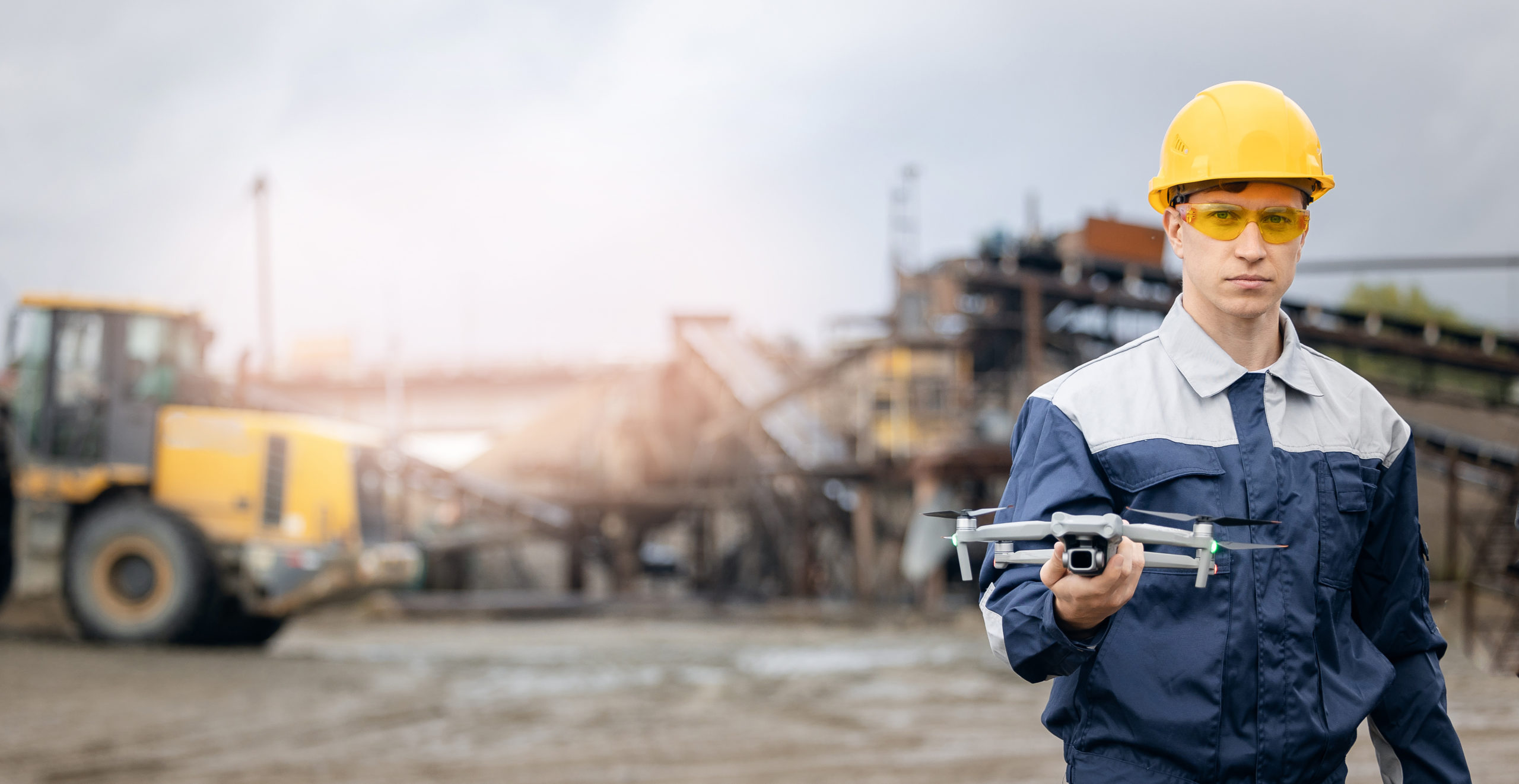
The Schkopau plant would use Cyclic’s proprietary MagCycle technology to extract permanent magnets from discarded electric motors, hard drives, drones and industrial equipment.
Annual output could reach 750 tonnes of magnet concentrate, alongside 14,000 tonnes of steel, 4,600 tonnes of aluminum and 3,000 tonnes of copper.
The recovery of additional metals underpins Cyclic’s cost competitiveness, with non-rare earth materials accounting for 40% to 50% of revenue, according to Reuters.
Unlike producers such as MP Materials (NYSE: MP), which has secured minimum price guarantees from the US government, Cyclic says its production costs allow it to operate without similar support.
The company has also partnered with electronics recycler ERI to secure feedstock through its US collection network, while its REEPure technology earned a spot on TIME’s Best Inventions of 2026 list in October.
Cyclic previously secured $75 million to expand its US operations and has several options for raising additional capital, Ghahreman told Reuters when asked about a potential initial public offering.

Comments